
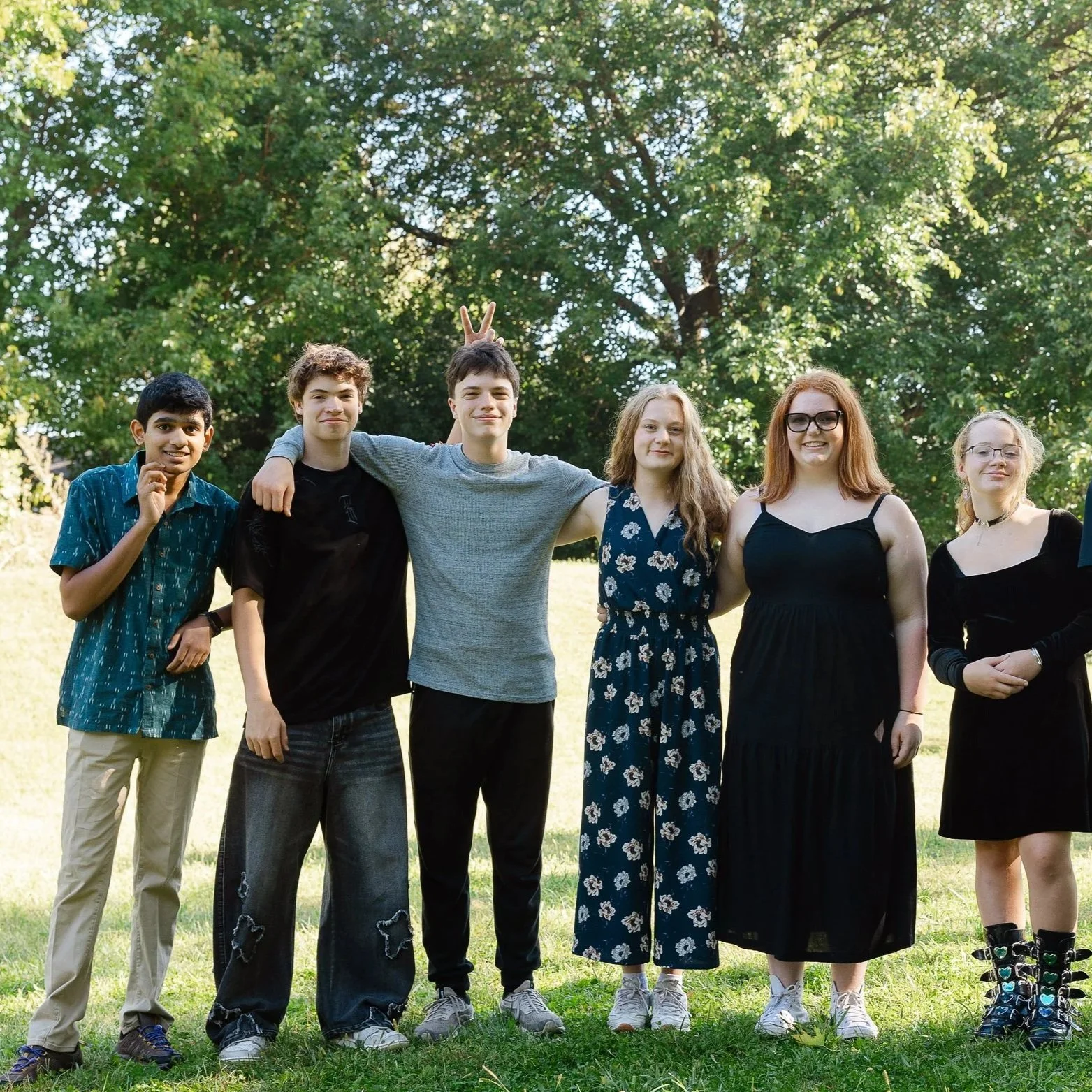
High School (Erdkinder)
Ages 12- 18
(7th - 12th grade)
Adolescence is a time to discover who you are and who you are becoming. Carmel’s six-year Erdkinder Program gives young people the time, space, and support to do just that—combining academics with hands-on experiences, meaningful responsibility, mentorship, travel, and opportunities to contribute to their community.
A Different Kind of School Day
-
Learn.
Core academics including mathematics, science, language arts, and history—with students progressing at their individual pace.
-
Explore.
Art, Philosophy, Film, and Spanish give students opportunities to explore interests and develop new skills.
-
Contribute.
Daily chores and practical responsibilities teach students that they have an important role in caring for their community. Each month, students extend that responsibility beyond Carmel by volunteering their time in the greater community.
-
Mentor.
Students work with younger children, assist with lunch and daily activities, and serve as reading partners.
-
Beyond.
Two trips each year, including camping and a national history trip, take learning beyond the school. Every three years, the history trip becomes international.
A Three Year Academic Cycle
Erdkinder students move through a three-year cycle of study, with science, history, and literature rotating each year. Lower and Upper Erdkinder follow the same cycle but take different courses within it, allowing students to build knowledge and skills without repeating coursework.
YEAR ONE
Life & Biological Sciences
Early U.S. & World History
U.S. & World Literature
YEAR TWO
Physical Science & Physics
Modern U.S. & World History
U.S. & World Literature
YEAR THREE
Earth Science & Chemistry
Illinois History & U.S. Government
Literature & British Literature
What if my child enters mid-cycle?
Students may enroll in Lower or Upper Erdkinder at any point in the three-year cycle. There is no need to wait for the cycle to begin again or to have completed the previous years at Carmel.
Each student’s coursework is planned based on their grade level, previous credits, and graduation requirements. As students move through the program, we make sure they receive the courses and credits they need to stay on track for high school graduation.
The three-year cycle guides what Carmel is studying each year—it does not limit when a student can join.
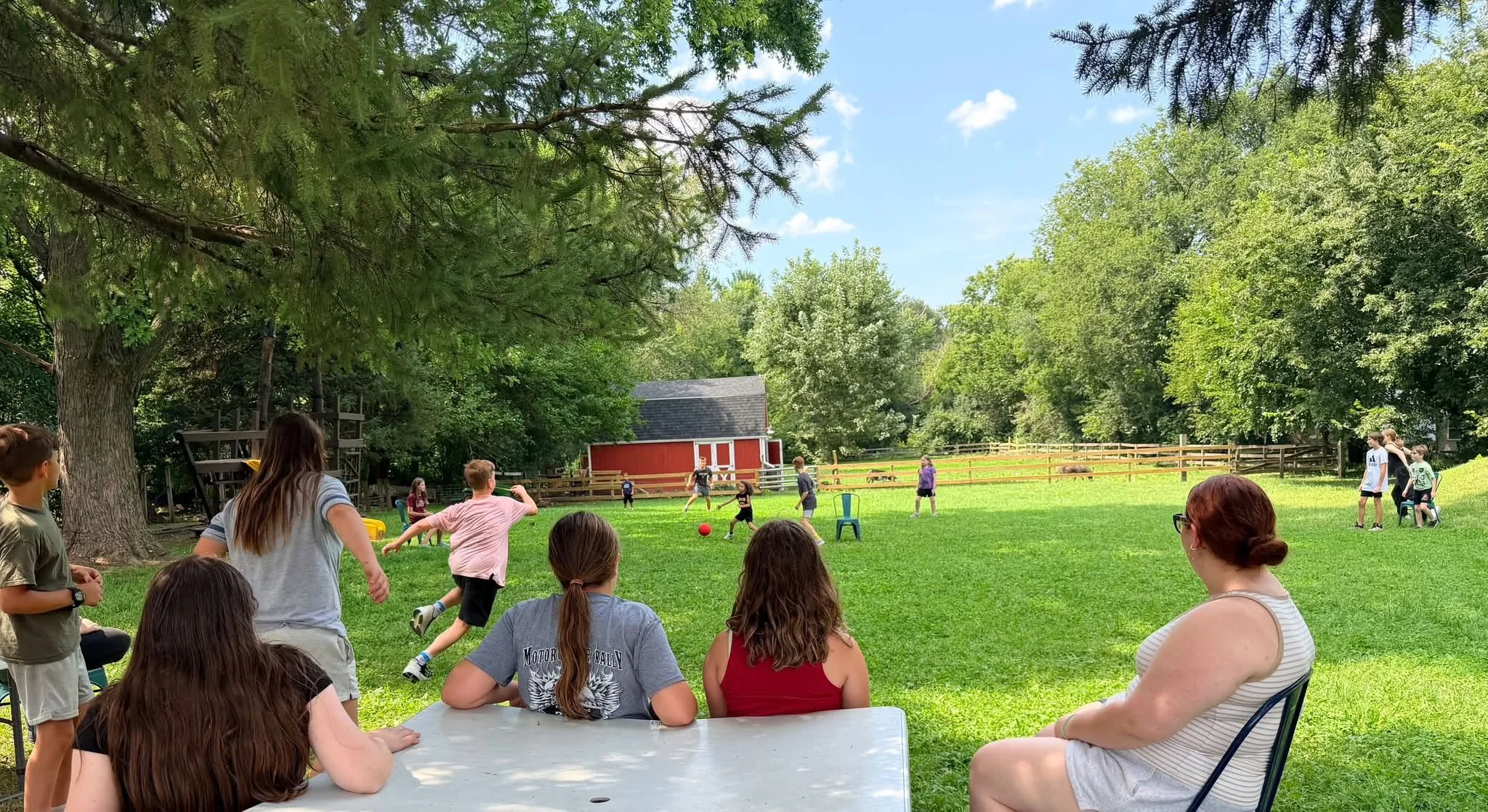
Throughout the day, students have intentional periods of choice. They may study, help a younger student, pursue an interest, connect with friends, or take time to recharge. Learning to make thoughtful choices about how they use their time is part of becoming more independent.
STUDY · CONTRIBUTE · CREATE · CONNECT · RECHARGE
Adolescence is about more than academic preparation. It is a time when young people begin asking bigger questions about themselves, their abilities, and their place in the world. At Carmel, students are given meaningful opportunities to practice independence, leadership, responsibility, and contribution.
-
WHO AM I?
Discovering strengths, interests, and identity.
-
WHAT CAN I DO?
Building competence through meaningful work and responsibility.
-
WHERE DO I BELONG?
Contributing to a community and discovering one's place in the wider world.
-
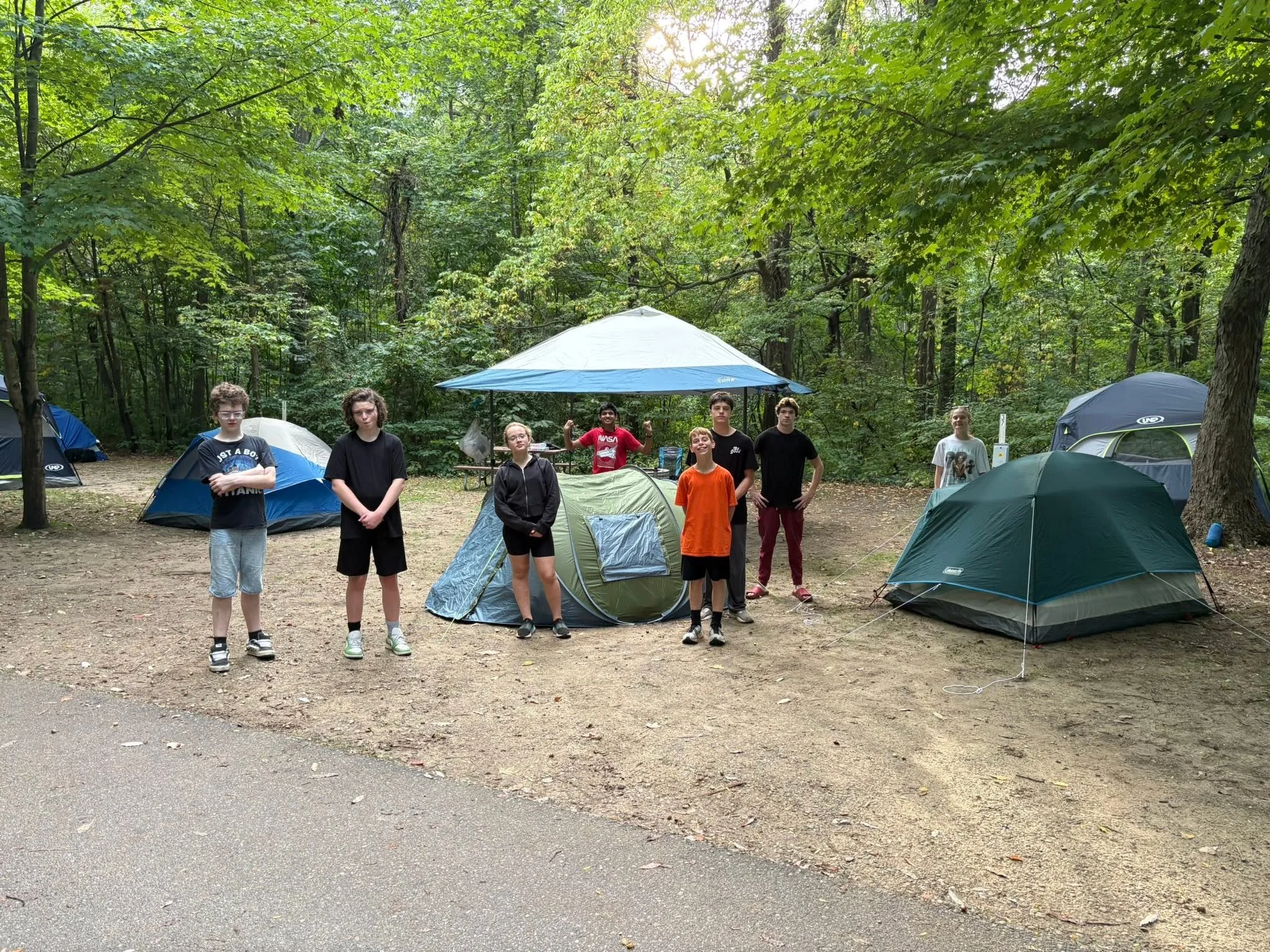
CAMPING
Learning together outdoors.
-
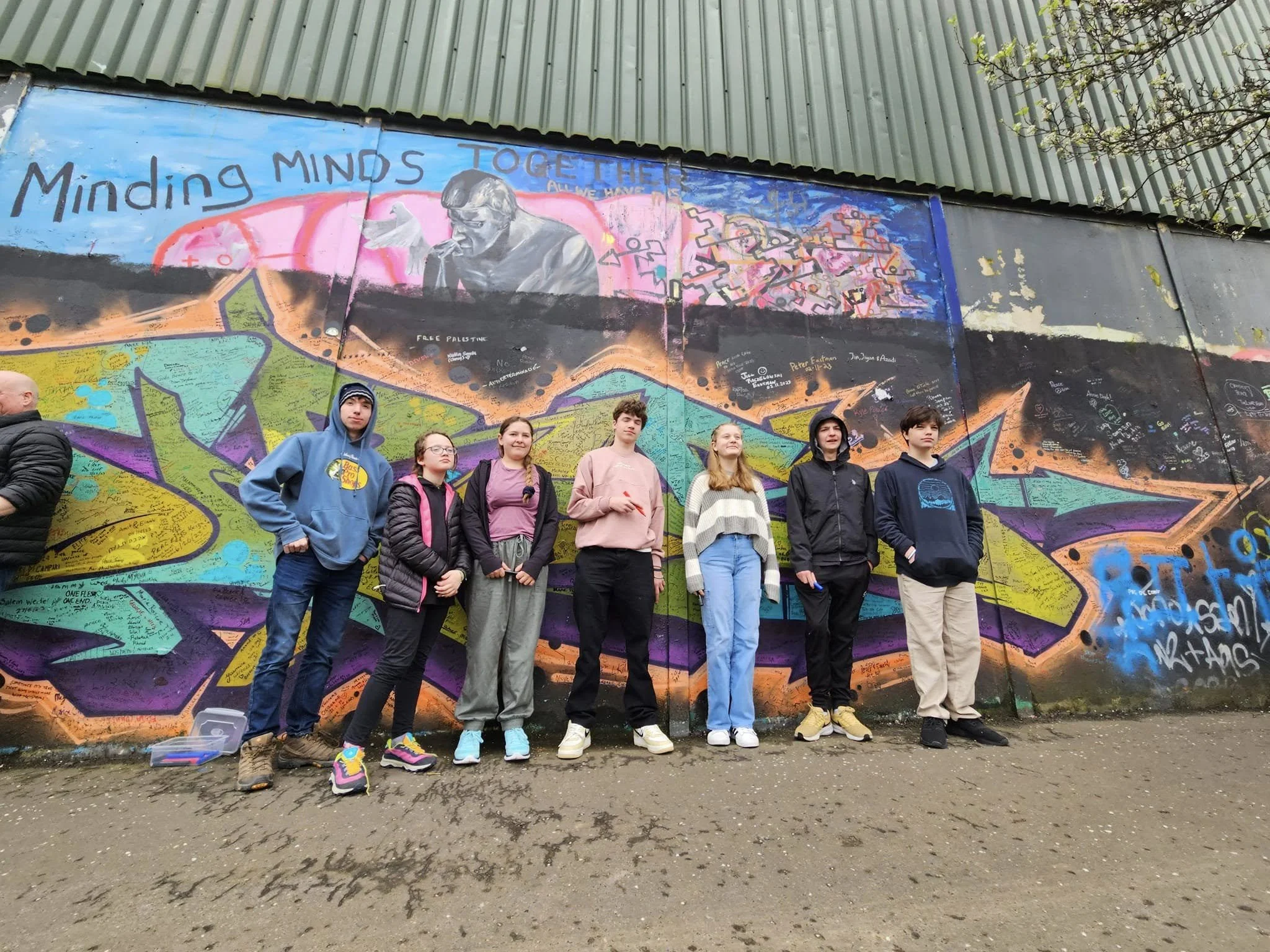
HISTORY TRIPS
Encountering history and culture firsthand.
-
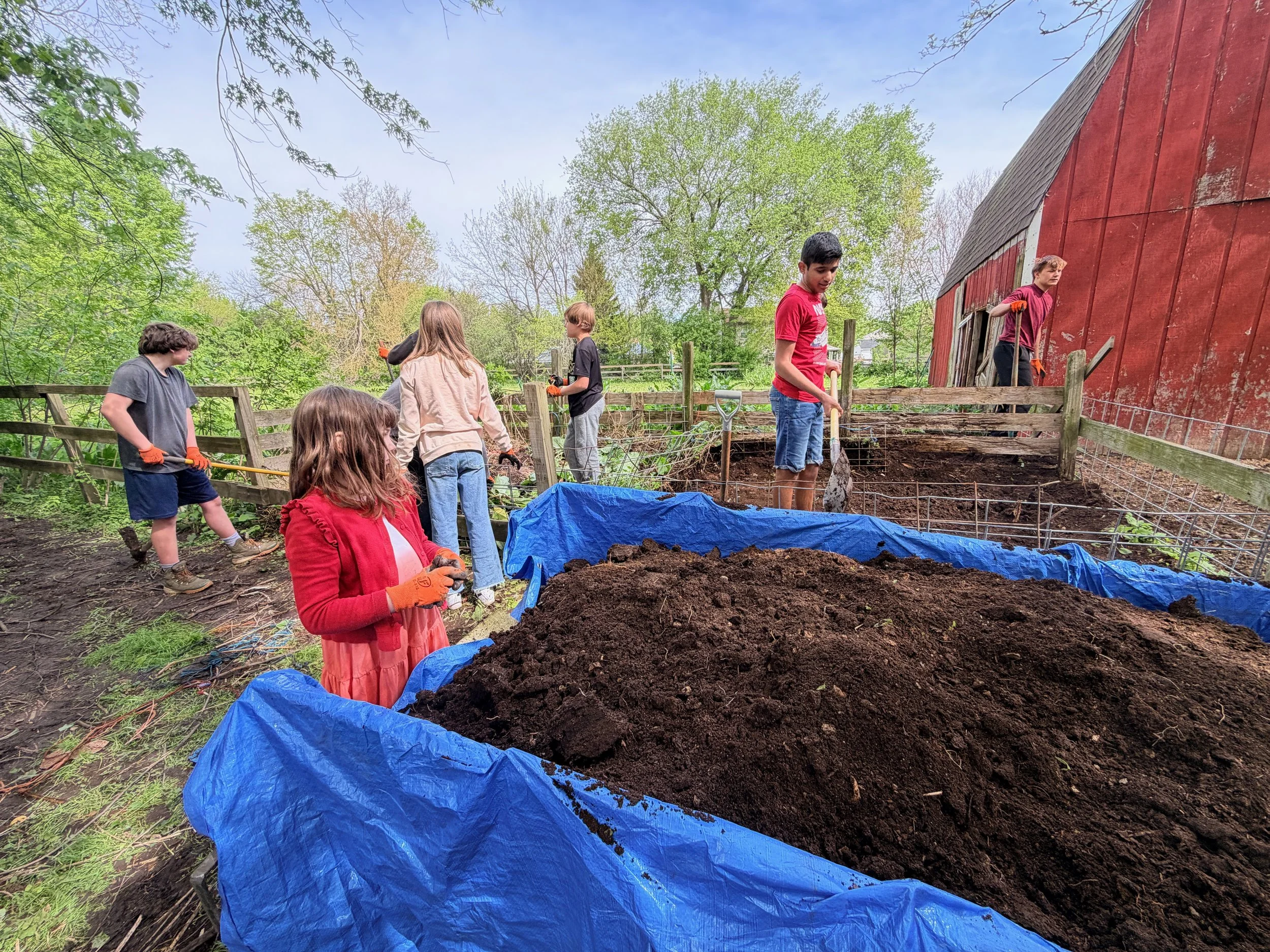
COMMUNITY
Working alongside younger students and one another.
-
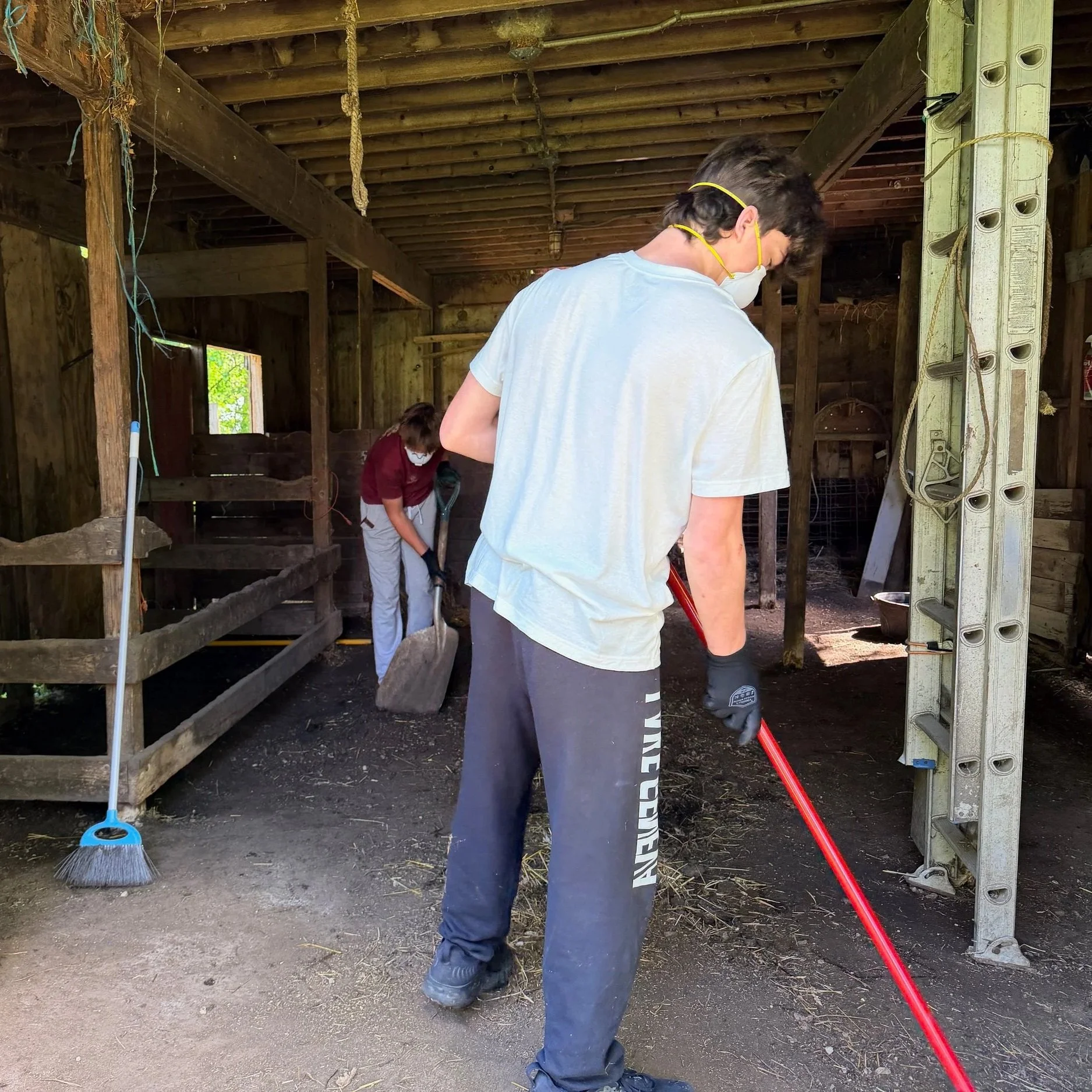
REAL-WORLD EXPERIENCES
Learning through responsibility, exploration, and doing.