
Rooted in Montessori.
Growing Together.
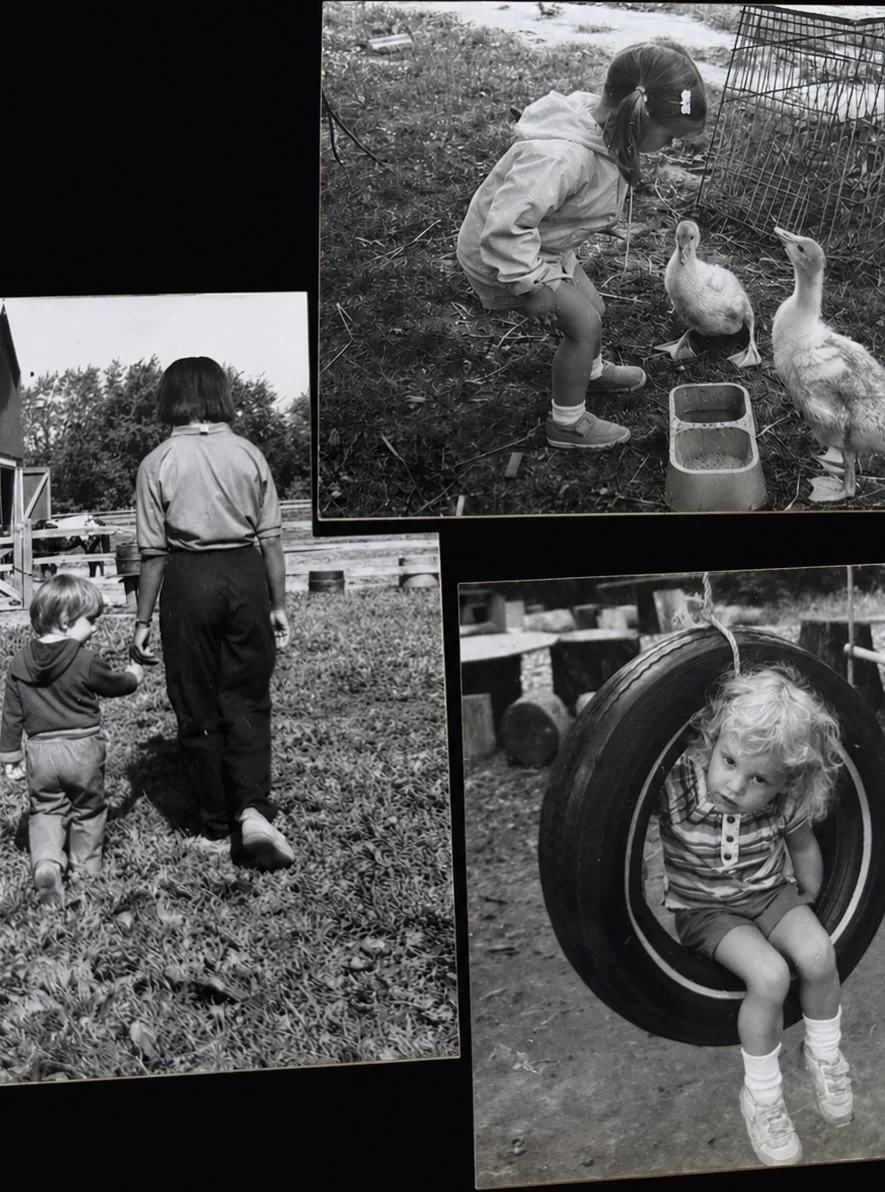
What began as a small family endeavor has grown into a deeply rooted Montessori community spanning three generations.
Carmel Montessori Academy began in 1973, when founder Mrs. Carmen Lafranzo opened the school in a church. In 1975, the school moved to its current home, a small 2.5-acre farm chosen intentionally to create something more than a school. It was envisioned as a place where children could learn through meaningful work, experience nature, care for living things, and grow as part of a genuine community.
More than 50 years later, that vision remains at the heart of CMA.
As a family-run school with no more than 60 students, we have intentionally remained small. This allows our teachers to know each child truly, understand how they learn and grow, and build meaningful relationships with every family. Here, children are not simply part of a class. They are part of a community.
What makes Carmel, Carmel?
-
Learning From the Land
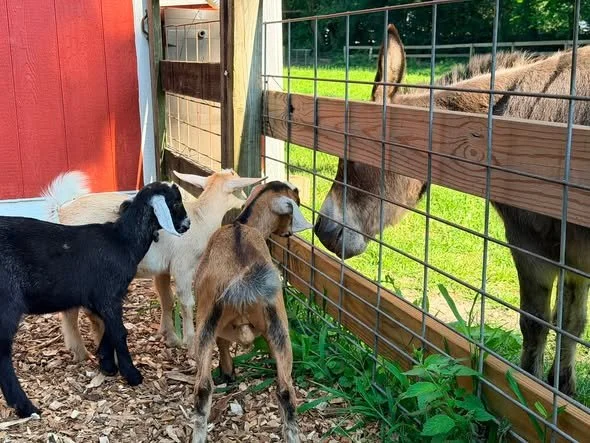
Our farm is more than a beautiful setting. It is part of the children's education. Students care for animals, collect eggs, plant and harvest the garden, and use what they grow in our Home Economics program. Through this hands-on work, children experience responsibility, independence, and the connection between the land, the food we eat, and the community we share.
-
Field Trips
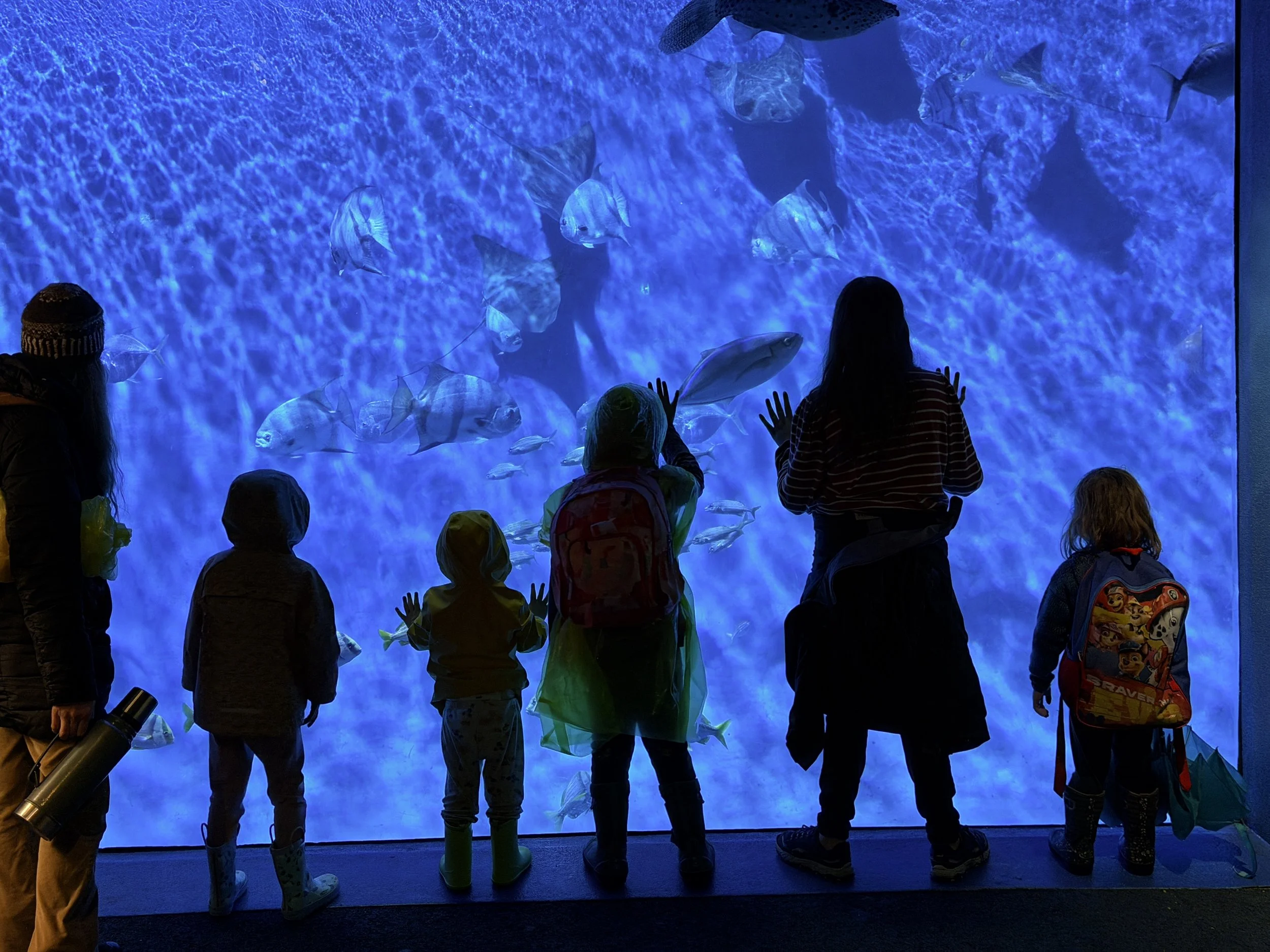
Every week, CMA students venture beyond the school to learn from the world around them. Field trips connect classroom learning with real places, people, and experiences throughout the greater community. Each month, students also have opportunities to give back through community service, learning that being part of a community means contributing to it.
For our high school students, these experiences expand into longer journeys twice each year, including camping and national and international travel.
-
Montessori Through High School
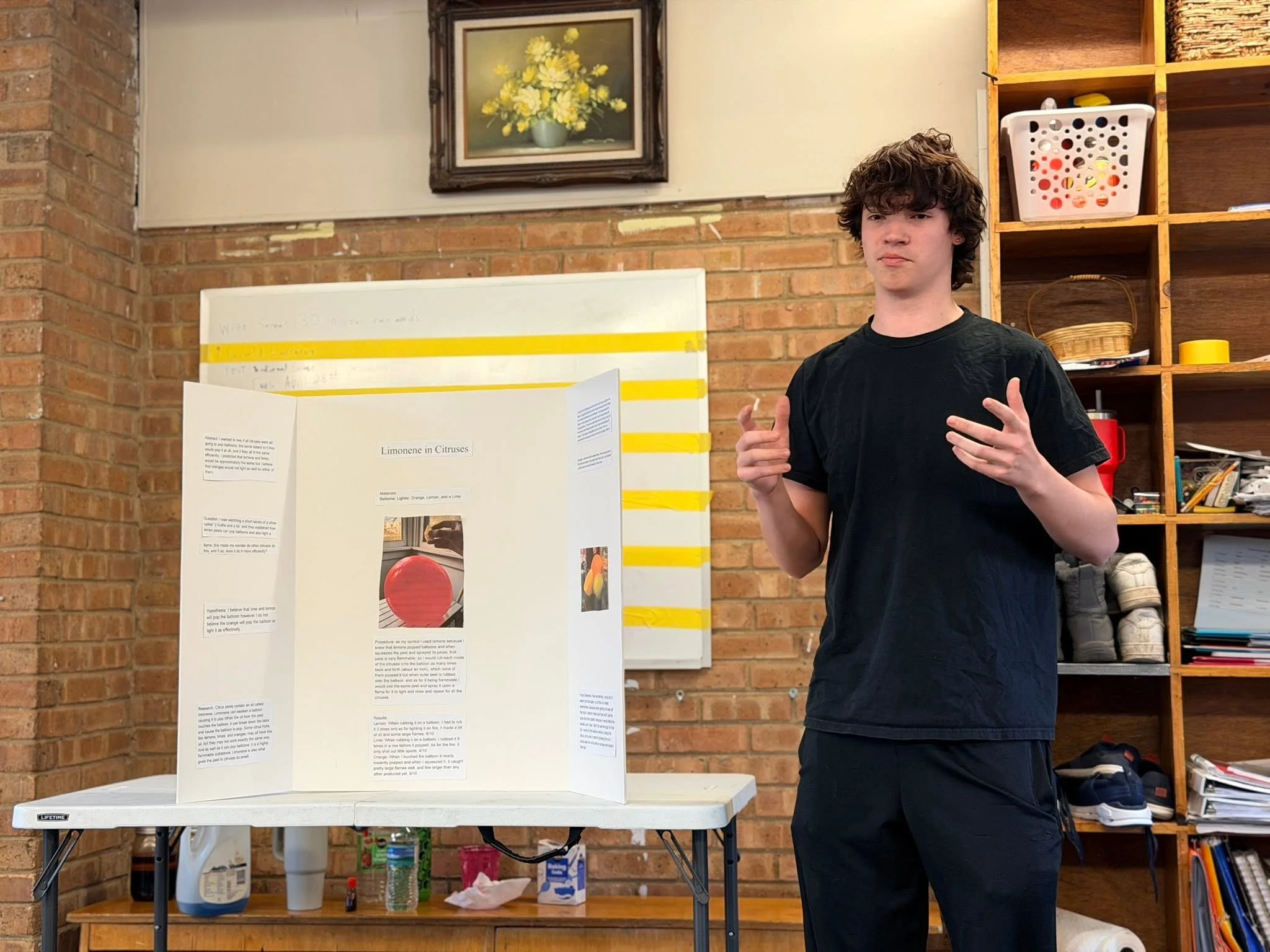
A Montessori education doesn't have to end when childhood does. CMA offers an authentic Montessori experience from early childhood through age 18, including our Erdkinder high school program. Adolescents are given opportunities for greater independence, meaningful work, real-world experiences, and deeper responsibility as they prepare for life beyond CMA. A Montessori high school experience is uncommon—and we believe that continuing the Montessori journey through adolescence offers something truly valuable.
-
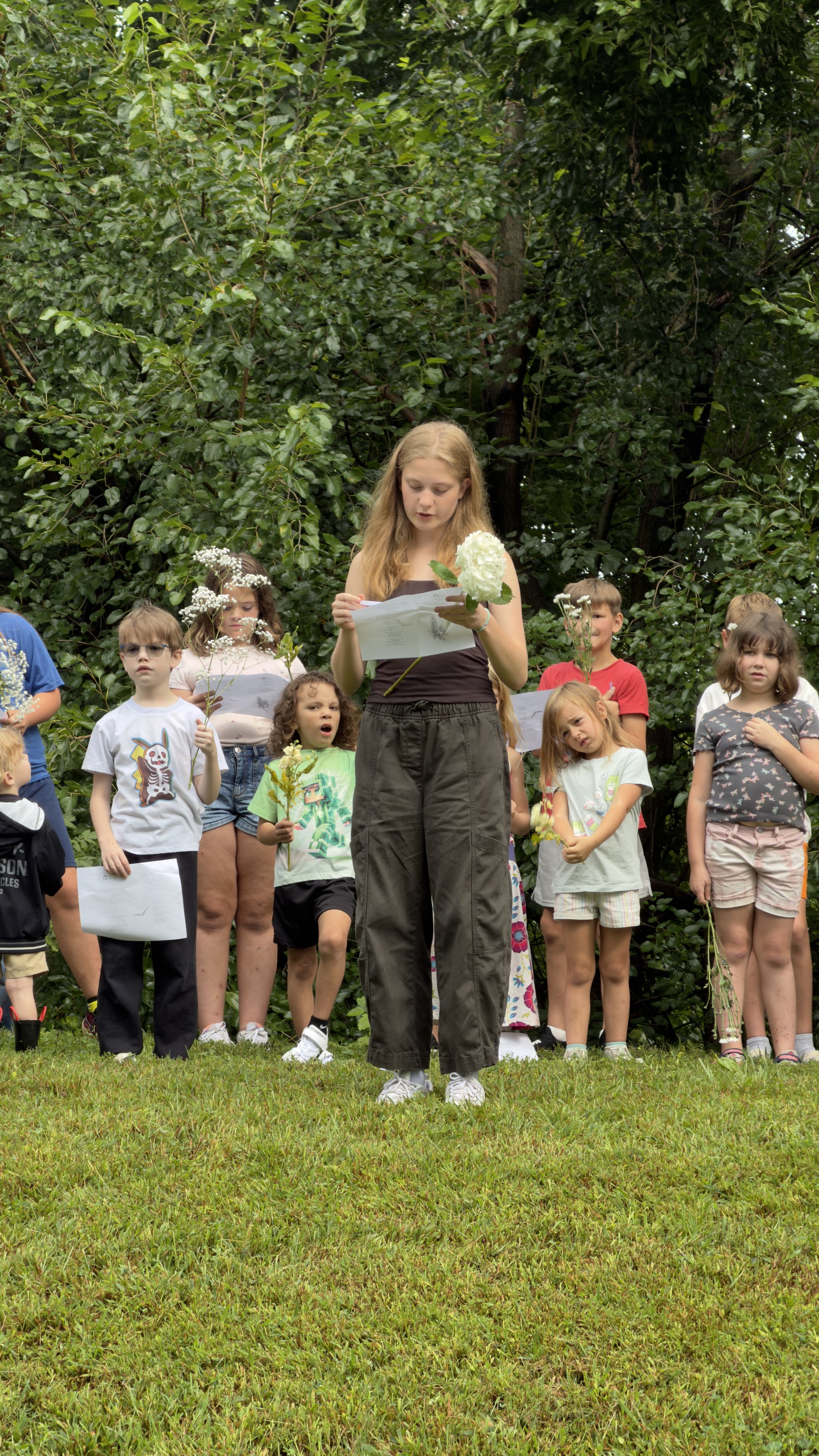
Education for Peace
CMA is a registered International Peace Site, reflecting our commitment to Montessori's vision of education as a pathway to peace. Peace is woven into the life of our school through relationships, respect, responsibility, diversity, and opportunities for students to understand their place in a larger world. Each year begins with a community Peace Rededication Ceremony, bringing students of all ages together around this shared purpose.
Global Peace Education
-
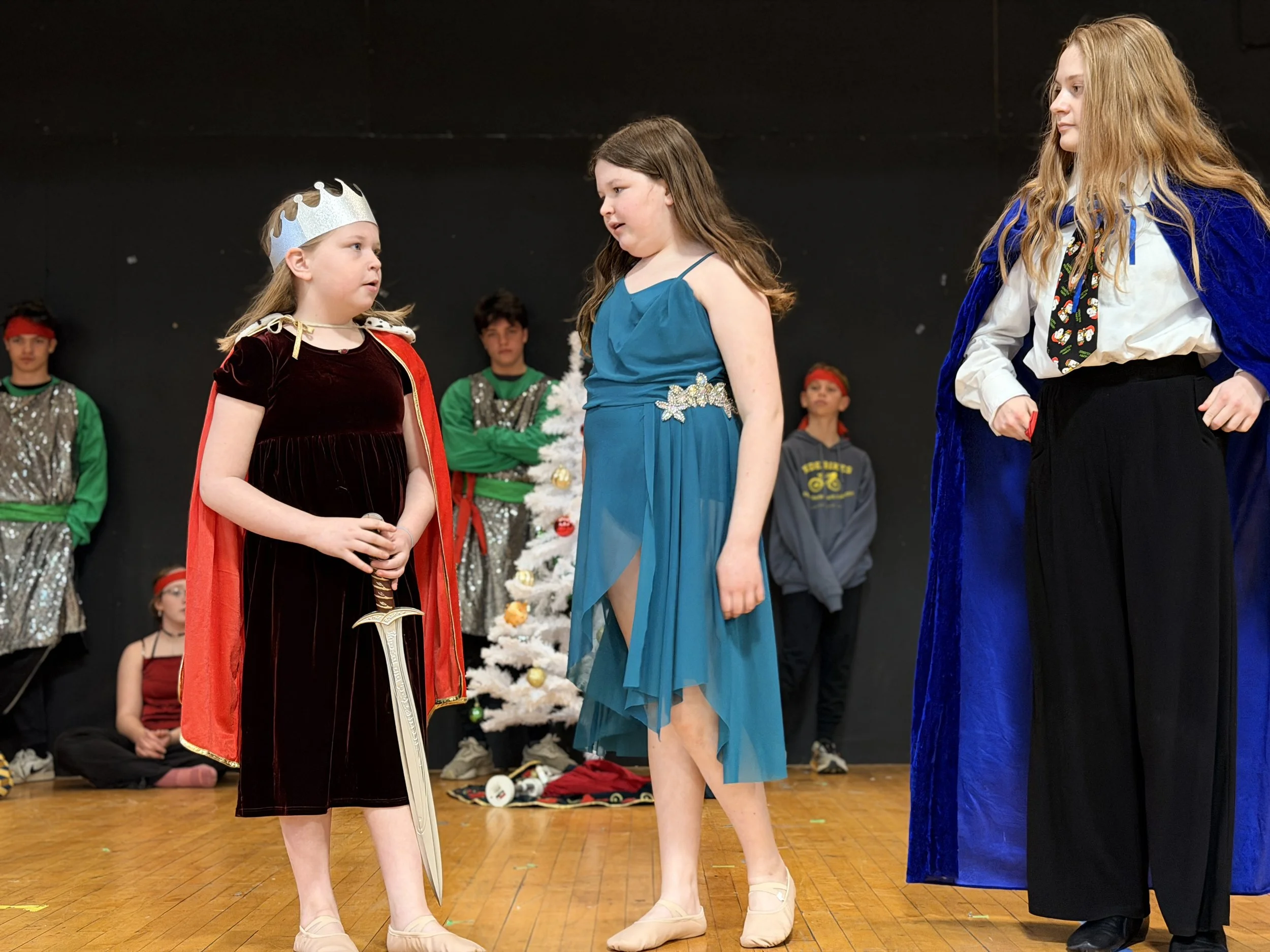
Finding Your Voice
Every student at CMA participates in three full play productions each year. From the youngest children to our high school students, everyone has a place on the stage and a role in bringing each production to life. Performing together builds confidence, creativity, collaboration, communication, and a sense of belonging. These aren't simply school performances—they are community experiences that bring everyone together.
Arts & Performances
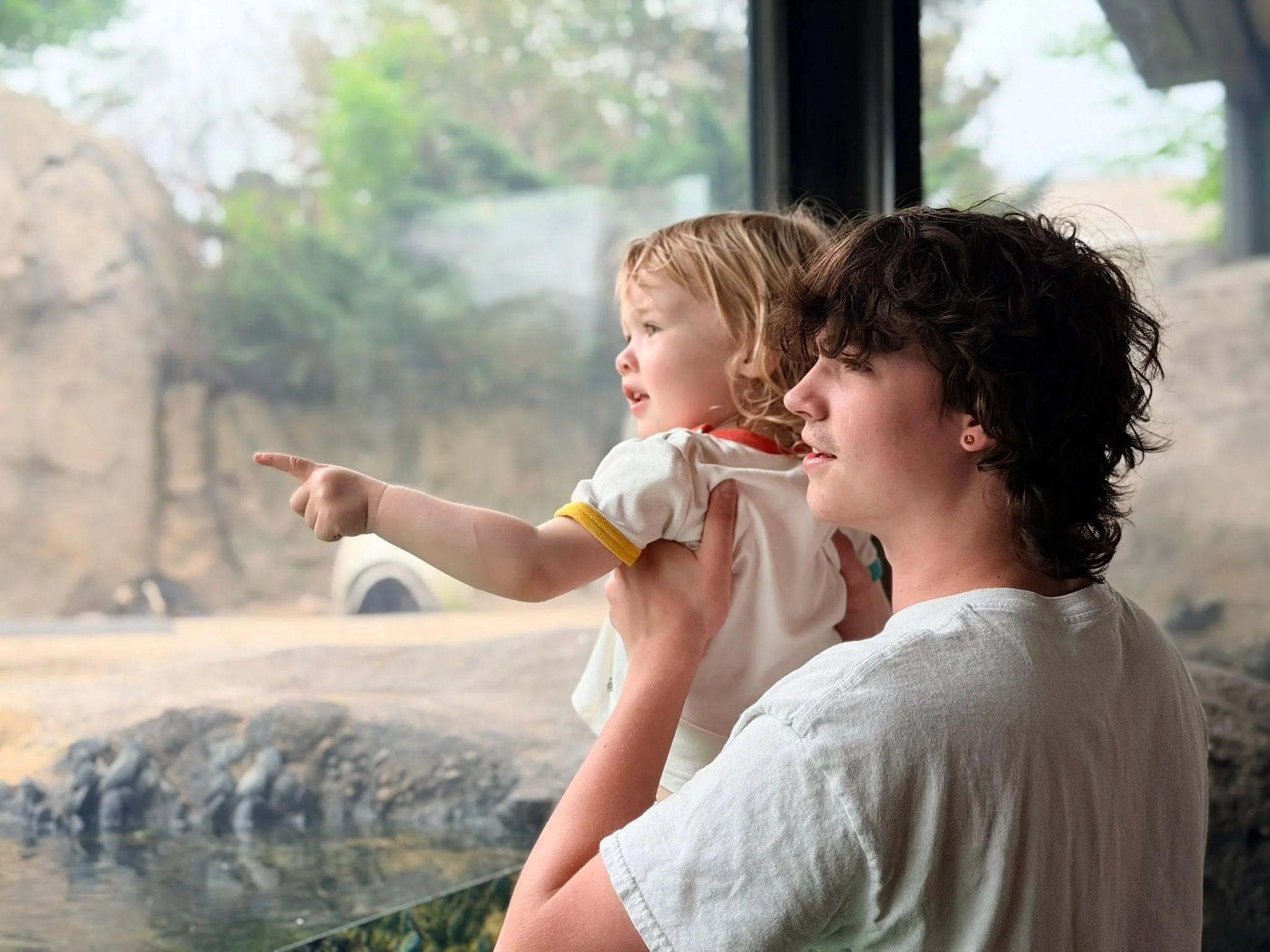
Growing With the Child
Carmel Montessori Academy serves children ages 3–18, offering a Montessori education that grows and changes with the child.
As the school expanded to include its Erdkinder program for adolescents ages 12–18, the community came together to choose a name that reflected what CMA had become. Parents narrowed more than 30 suggestions to three, and the students themselves voted on the final name: Carmel Montessori Academy & Children’s House.
The name reflects our belief that children and young people need a place where they can be known, challenged, supported, and given freedom to flourish.
Today, CMA is teaching a new generation of children while welcoming second- and third-generation families back into the community. Parents who once walked these halls now watch their own children grow here. It is one of the things that makes CMA feel less like a school you attend and more like a place you belong.
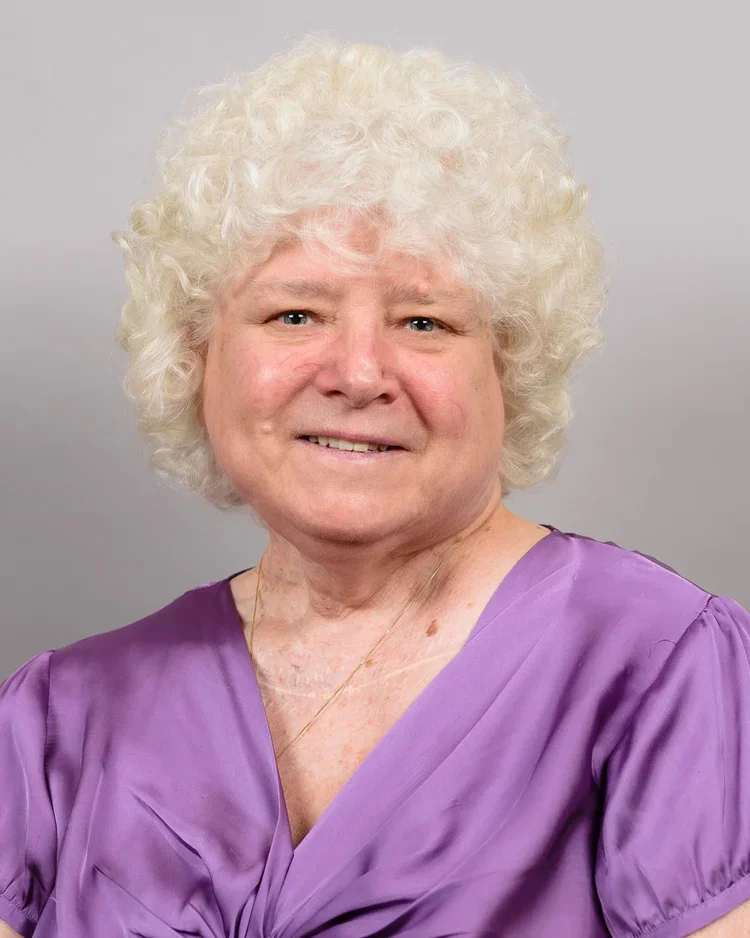
A Legacy of Montessori
At the heart of CMA's history is Mrs. Carmen Lafranzo, who founded the school in 1973 and devoted more than five decades to Montessori education.
Her vision was to create a place where children could experience Montessori as something alive: connected to nature, meaningful work, independence, relationships, and the development of the whole person. Her work as a Montessori educator, teacher trainer, mentor, and leader also helped shape Montessori education beyond CMA, including her involvement in the development of the Authentic Montessori Protocol.
That legacy continues through her son, John Jacob Lafranzo, who grew up as a student at CMA and returned to the school in 2000 to lead it into its next chapter. Today, CMA remains a family-run school rooted in the vision Mrs. Carmen established more than 50 years ago, while continuing to evolve with each new generation of students and families. It is a story of Montessori education passed from one generation to the next, while staying true to the relationships, community, and sense of purpose at its heart.
More Than a School
There is something special about learning on a farm.
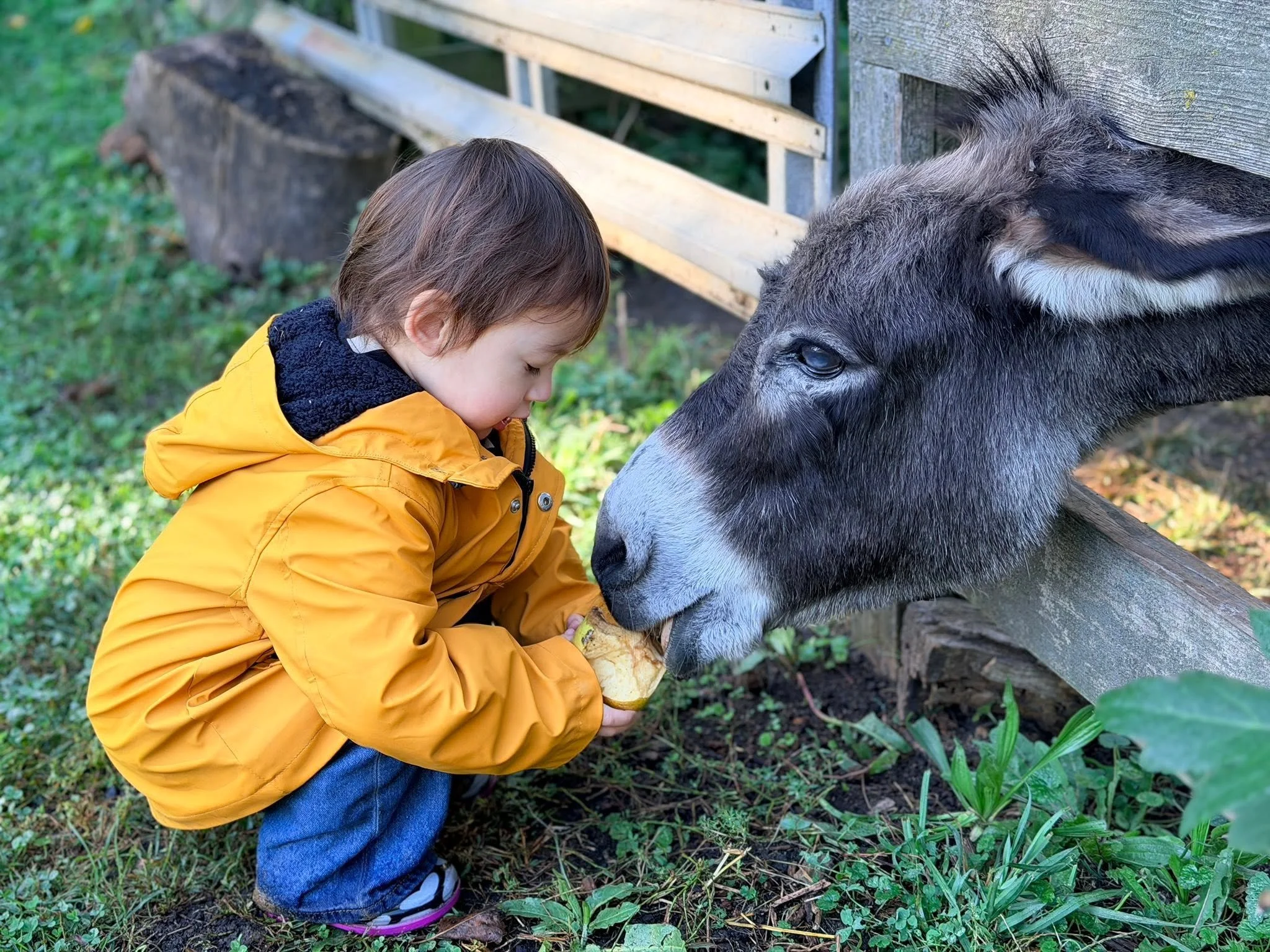
At CMA, the natural world is part of everyday life. Our two donkeys, three goats, chickens, a turtle, a soon-to-arrive bunny, and barn cats are part of the community. Children help care for the animals, collect and harvest eggs, and learn what it means to be responsible for another living thing.
They also help plant, tend, and harvest the school garden. What they grow doesn't simply stay in the garden—it makes its way into our Home Economics program, where students use fresh ingredients to prepare food and build practical skills they can carry beyond school.
The farm creates a living connection between work and learning, nature and nourishment, responsibility and independence. Children experience where food comes from, what it takes to grow it, and the satisfaction of contributing something meaningful to their community.
The farm isn't decoration. It is part of the education.
Learning happens in the classroom, but it also happens while gathering eggs, tending a garden, preparing a meal, caring for animals, working alongside others, and discovering what it means to contribute. That sense of responsibility extends beyond our campus, as students regularly give their time in service to the greater community.
At Carmel Montessori Academy, these everyday experiences help children become not only capable learners, but also capable, curious, and connected human beings.