
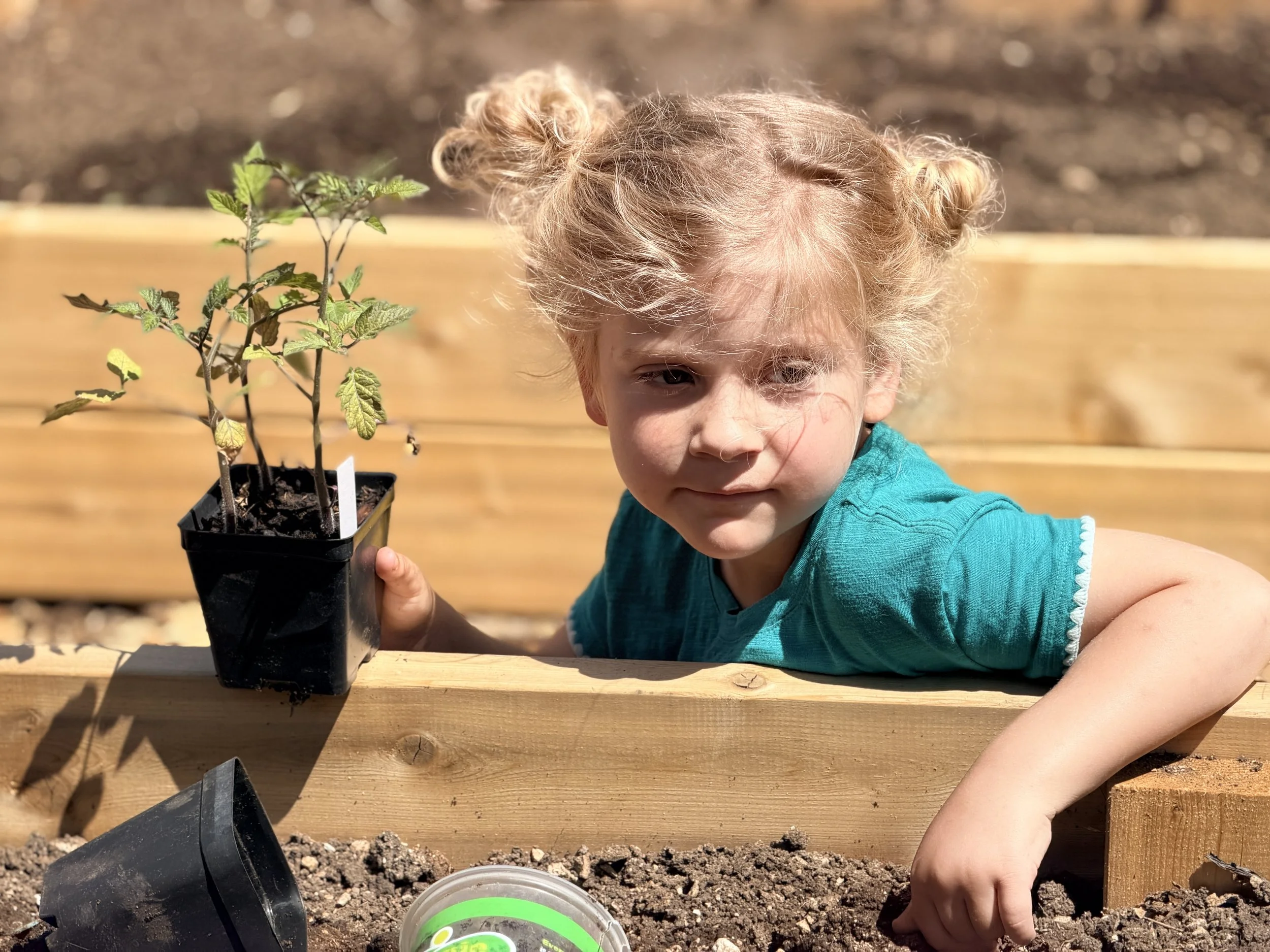
The Montessori Way
Follow the child.
Montessori begins with a simple belief: children have an innate desire to learn. Our role is to create an environment where each child can flourish, rather than shaping the child to fit a predetermined mold.
More Than a Method. A Way of Seeing the Child.
Montessori education is based on observing and understanding the child as they develop.
Rather than asking, “How do we get every child to learn this?” Montessori asks:
“What does this child need to grow?”
-
OBSERVE
Understand the child.
-
PREPARE
Create the right Environment.
-
GUIDE
Support the child toward independence.
Four Ideas at the Heart of Montessori
-
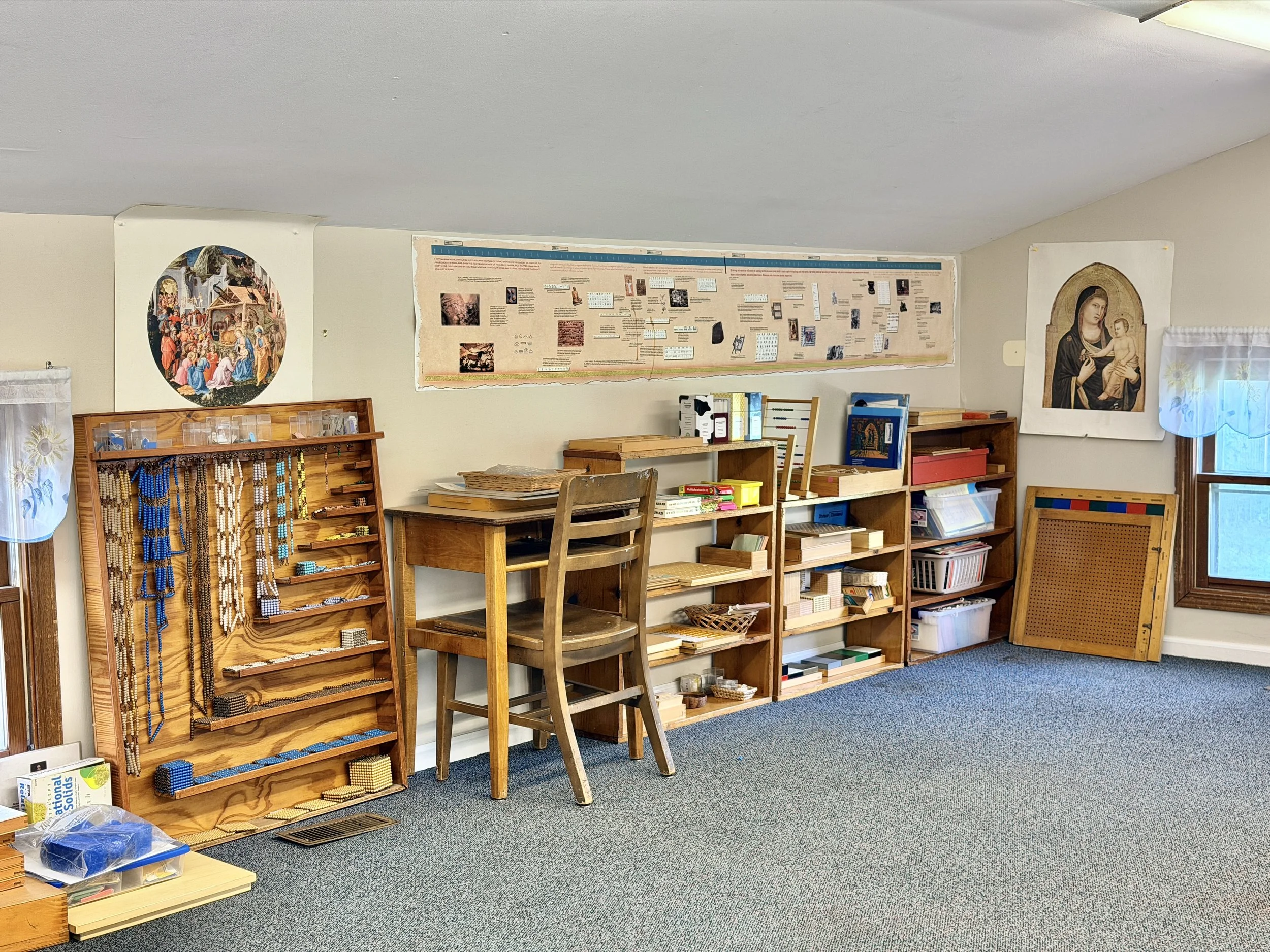
Prepared Environment
The environment is designed for the child.
Materials, furniture, routines, and spaces are intentionally prepared to encourage independence, concentration, movement, and discovery.
-
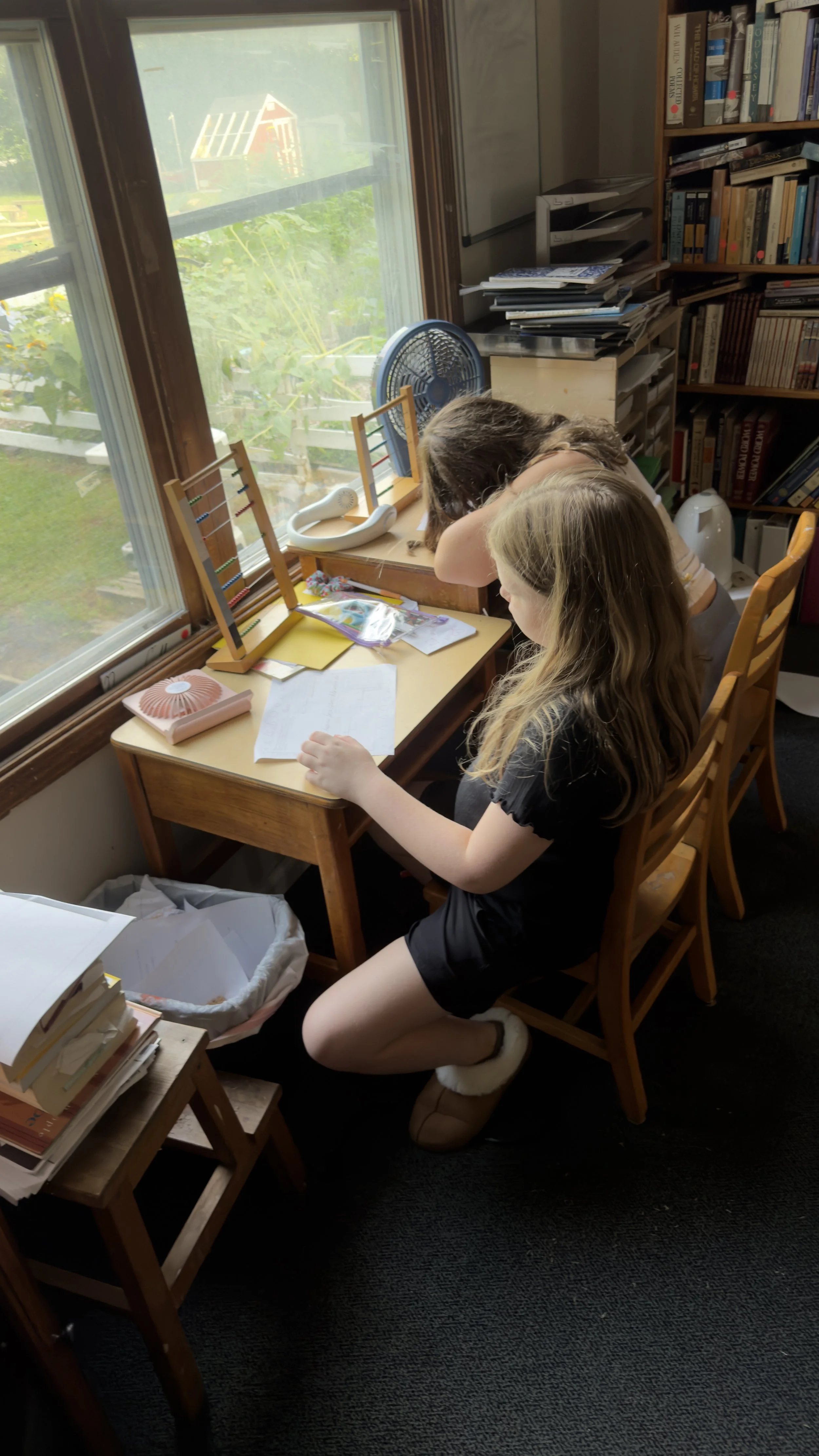
Freedom & Responsibility
Choice comes with responsibility.
Children have meaningful choices within clear boundaries. They learn to make decisions, manage their work, care for their environment, and consider the needs of others.
-
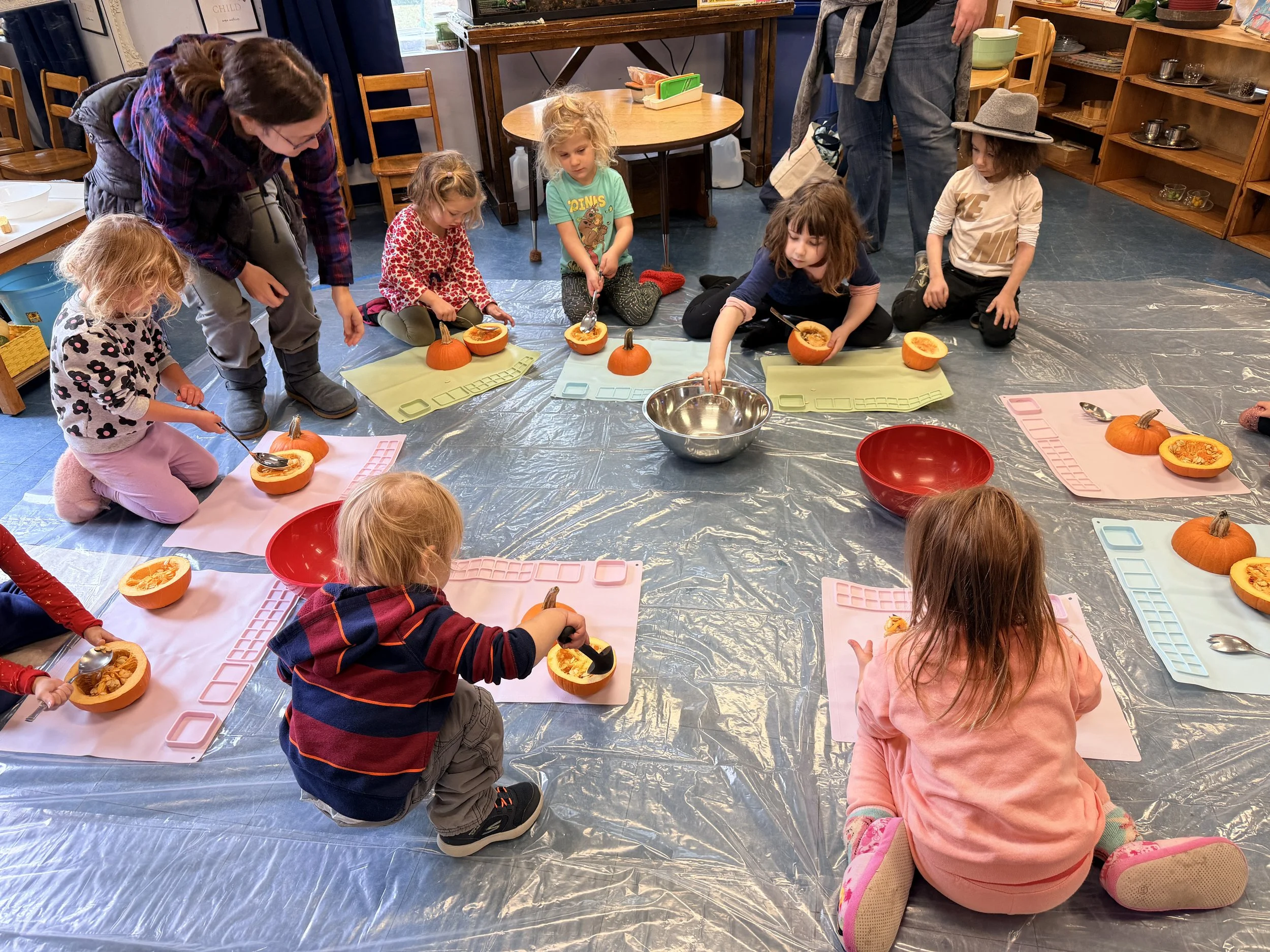
Hands- On Learning
The hand helps educate the mind.
Children don't simply receive information. They manipulate, explore, experiment, create, practice, and discover.
-
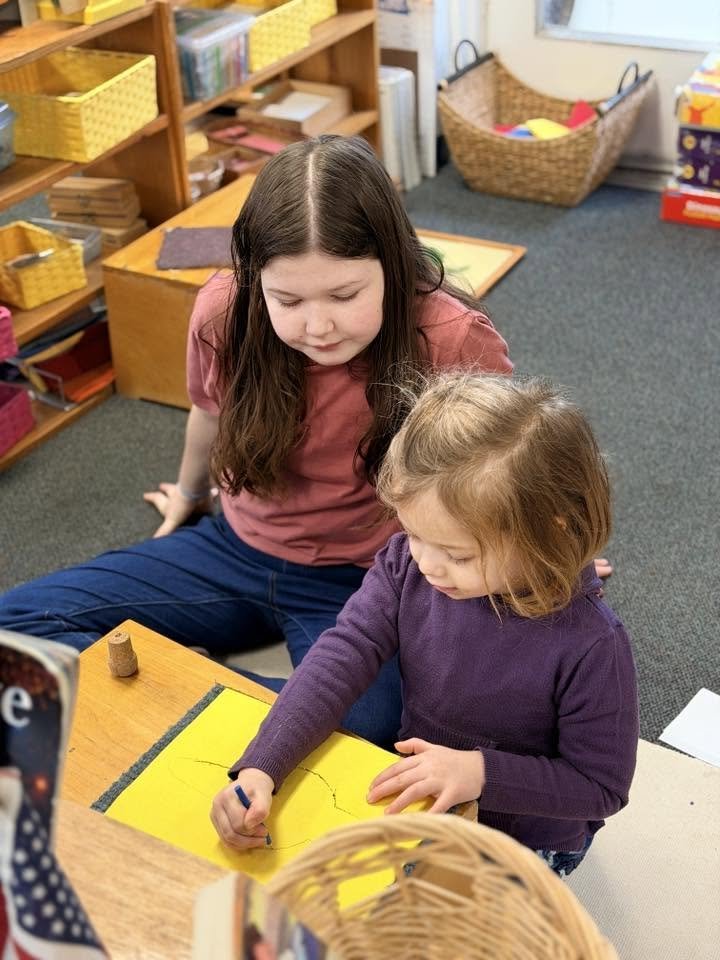
Mixed- Age Community
Children learn with and from one another.
Mixed-age classrooms allow younger children to observe and older children to mentor, creating a community where everyone has something to learn—and something to contribute.
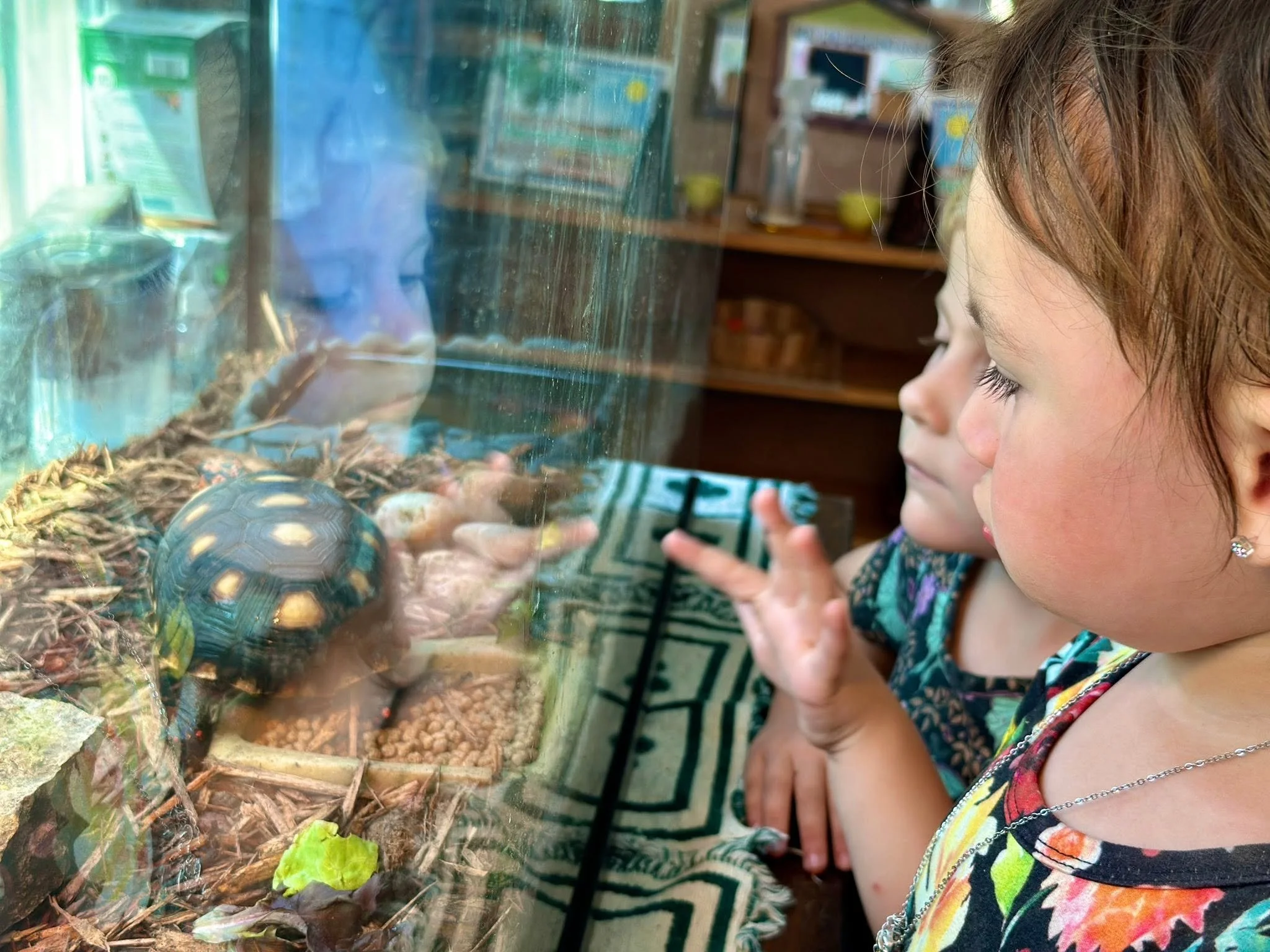
Follow the Child.
Not every child learns in the same way.
Not every child is ready for the same thing at the same time.
Montessori follows development rather than forcing development into a schedule.
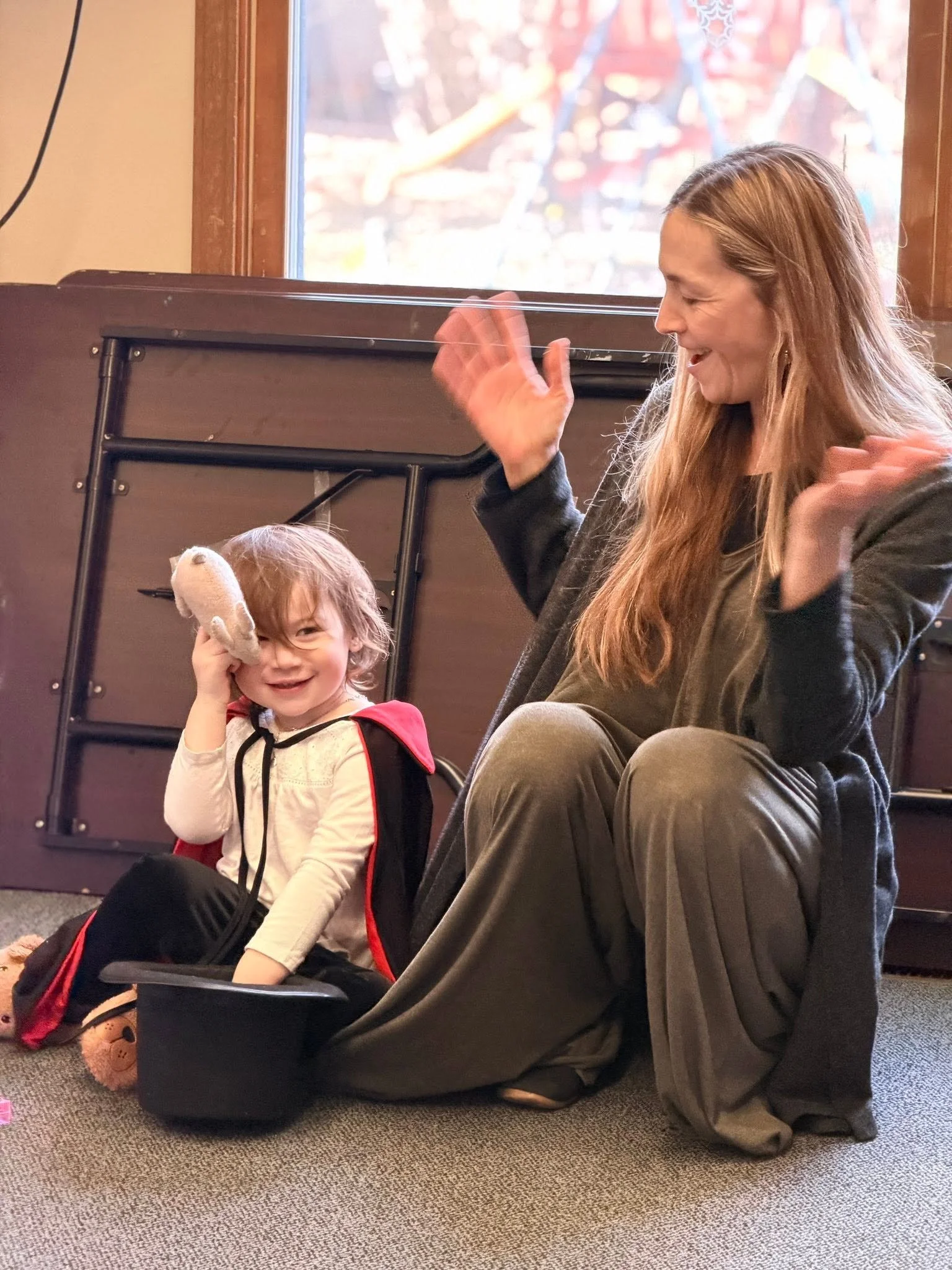
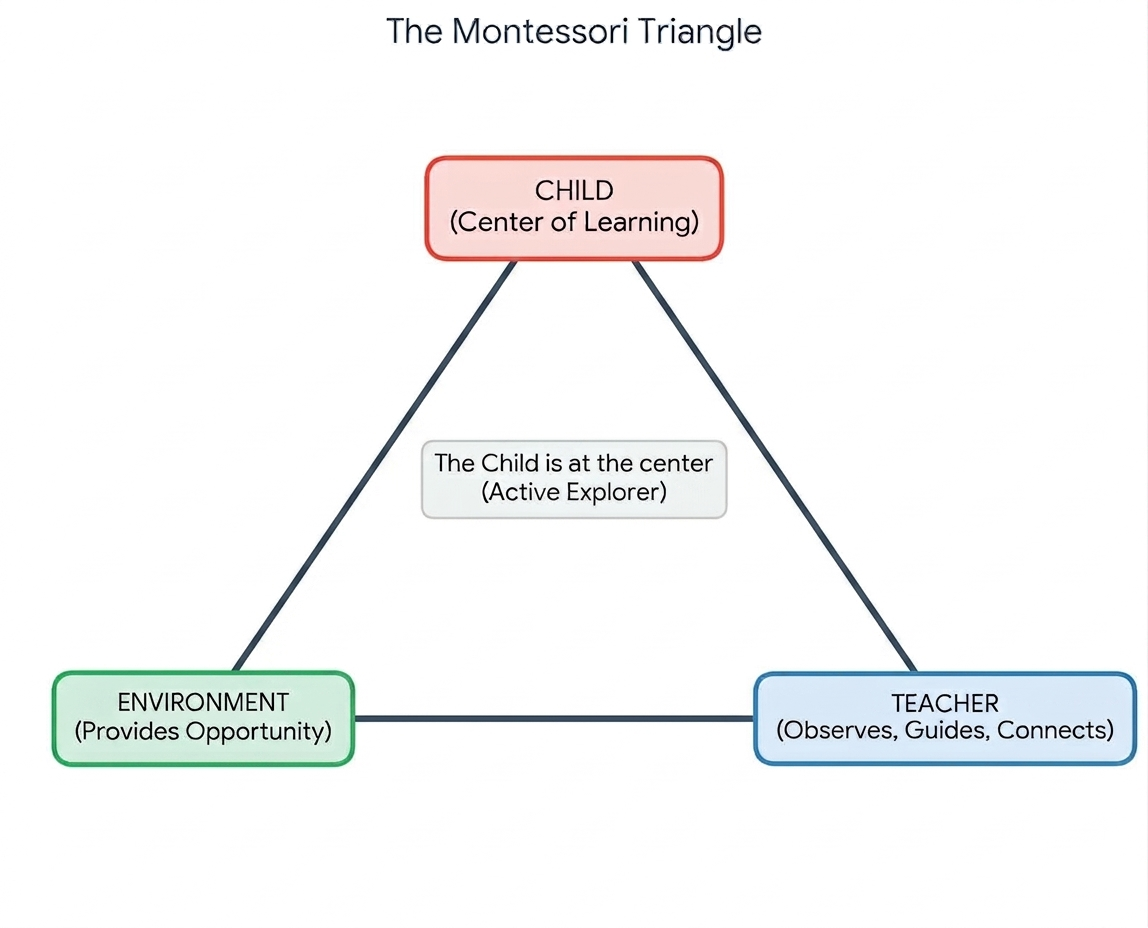
The Montessori Teacher
The Teacher Doesn't Stand at the Center.
The child does.
The Montessori teacher carefully observes each child, using those observations to understand where they are in their development and what they need next. They know when to introduce a new lesson, when to offer support, when to provide a challenge, and when to step back—allowing each child the space to grow, discover, and flourish in their own way.
Observe • Introduce • Guide • Step Back
The goal isn't dependence on the teacher. It's independence in the child.
Children Don't Stay the Same.
Montessori changes as the child changes.
-
0-6
The Absorbent Mind
Building the foundations.
-
6-12
The Reasoning Mind
Exploring the world.
-
12-18
The Adolescent
Finding one's place in the world.
Montessori recognizes that children move through distinct developmental stages, each with different physical, intellectual, social, and emotional needs.
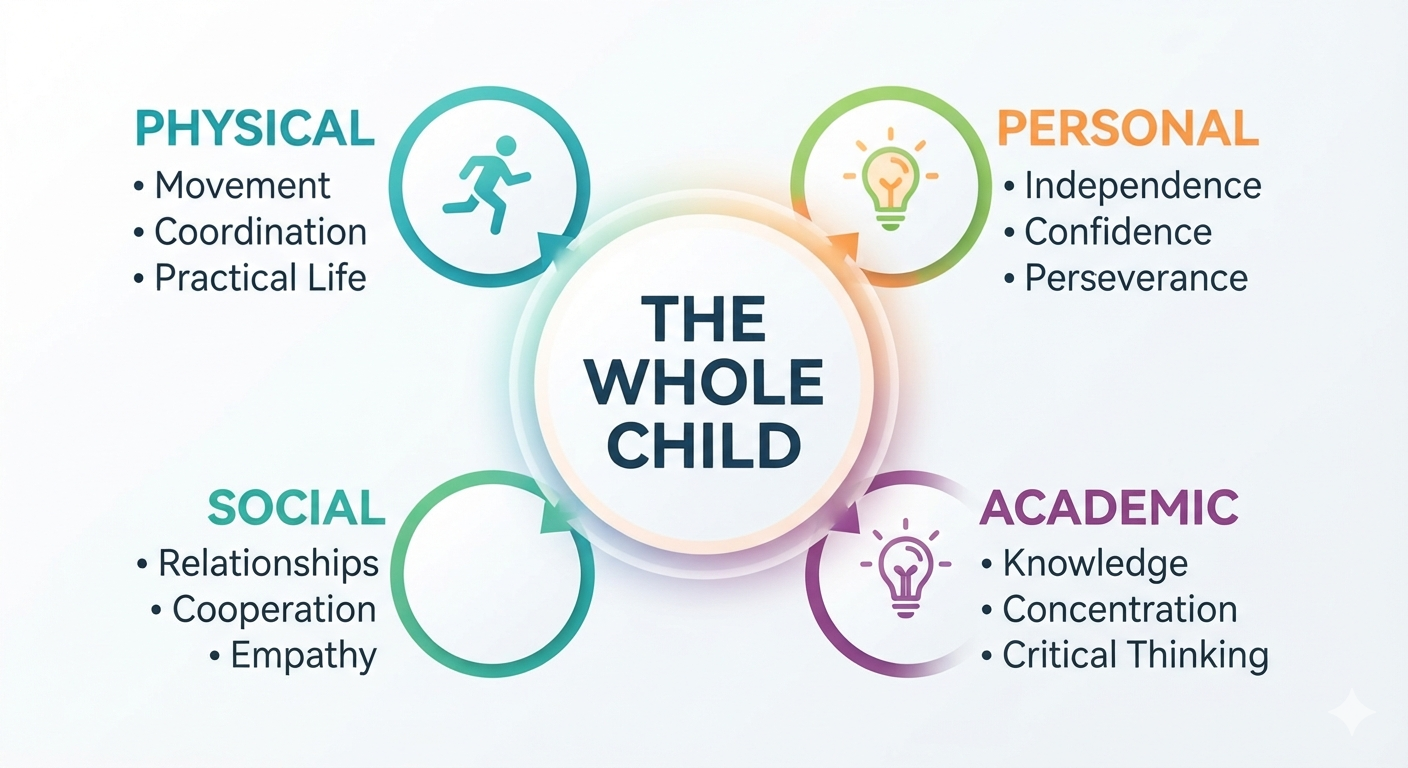
These areas aren’t separate. They develop together.
In Montessori, Work has Meaning.
“Work” doesn't mean worksheets or busywork.
It means purposeful activity that engages the child's mind, hands, curiosity, and growing independence.
-
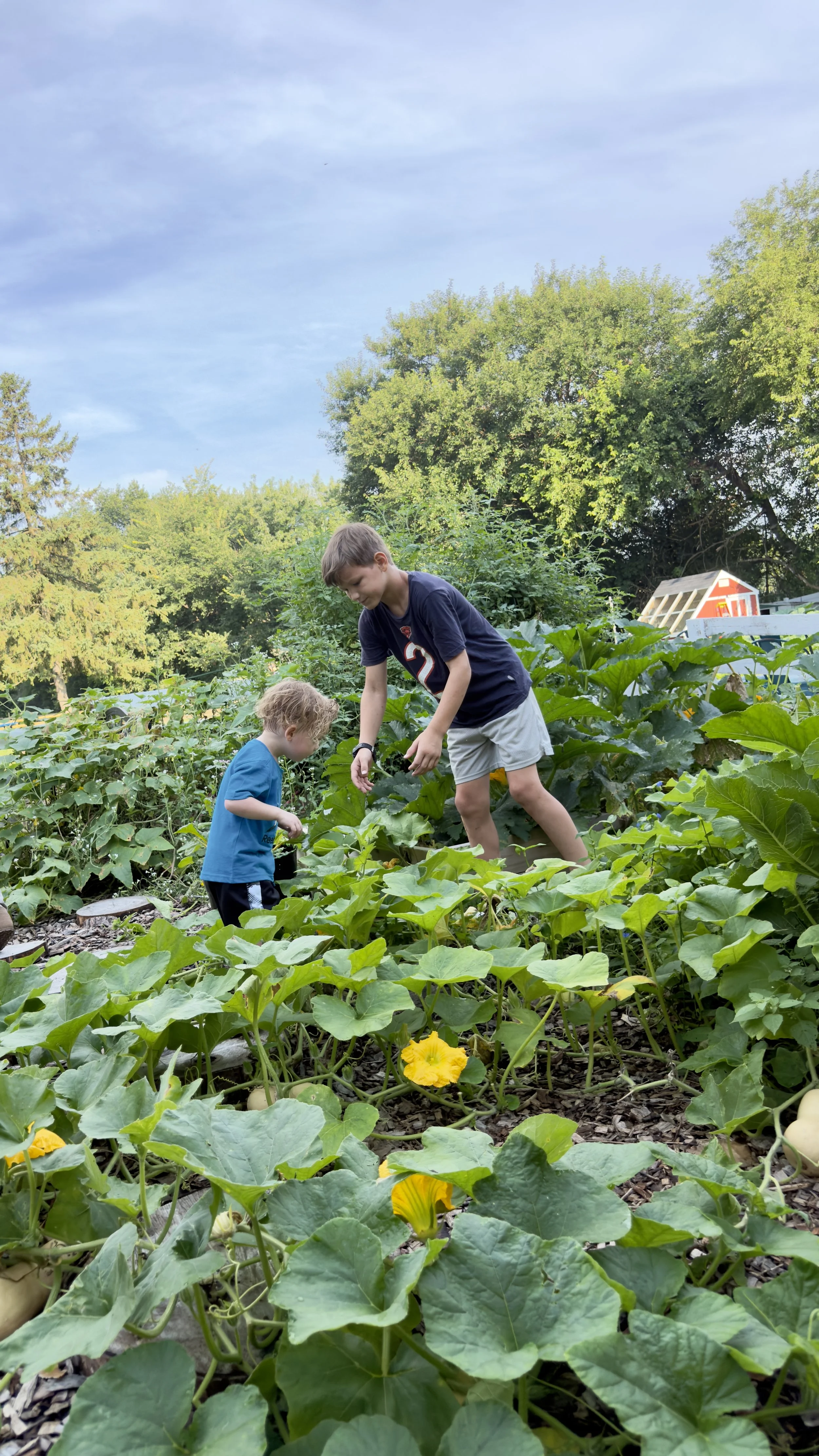
Choose
Children develop decision-making.
-
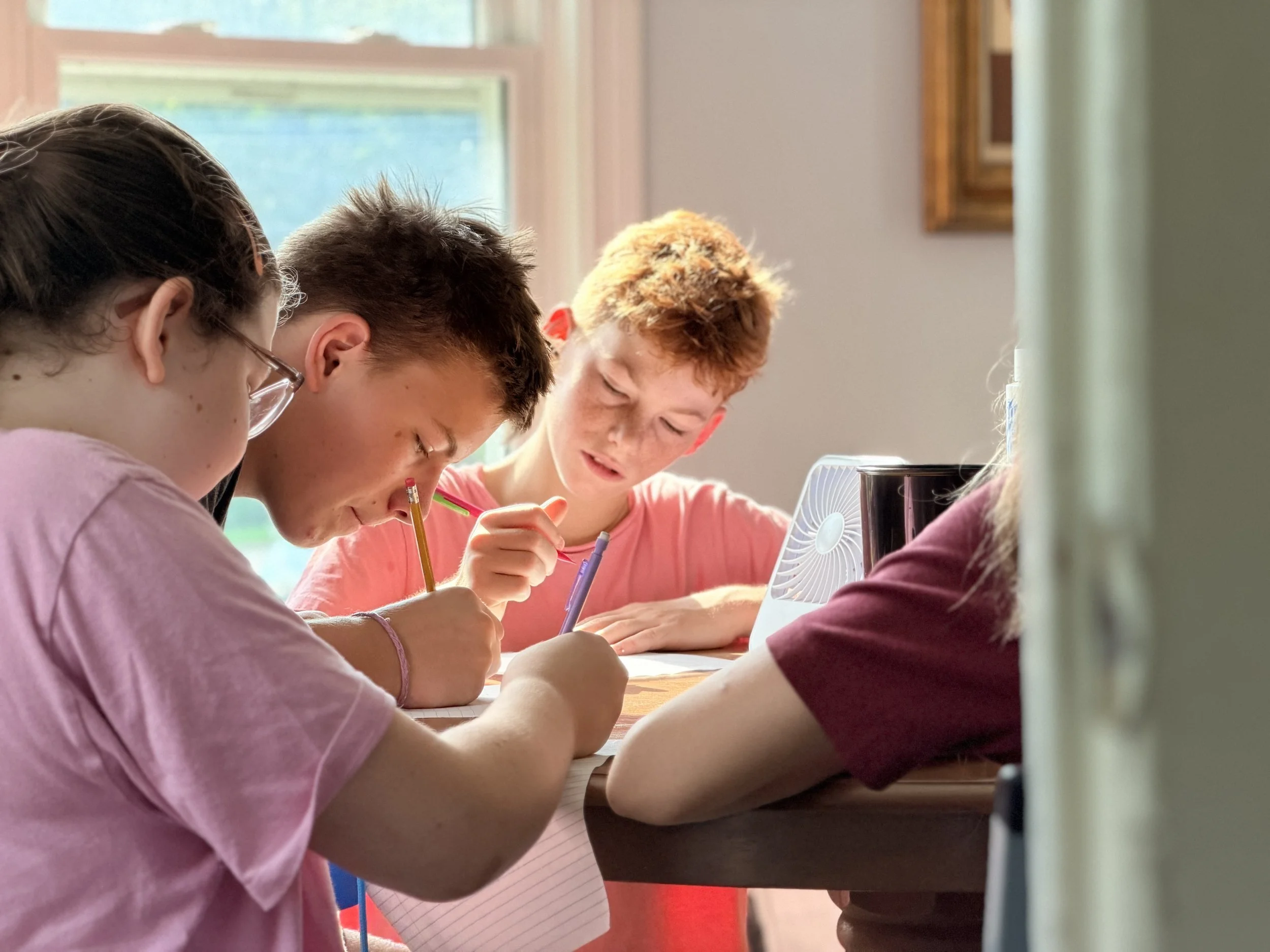
Concentrate
Children learn to sustain attention.
-
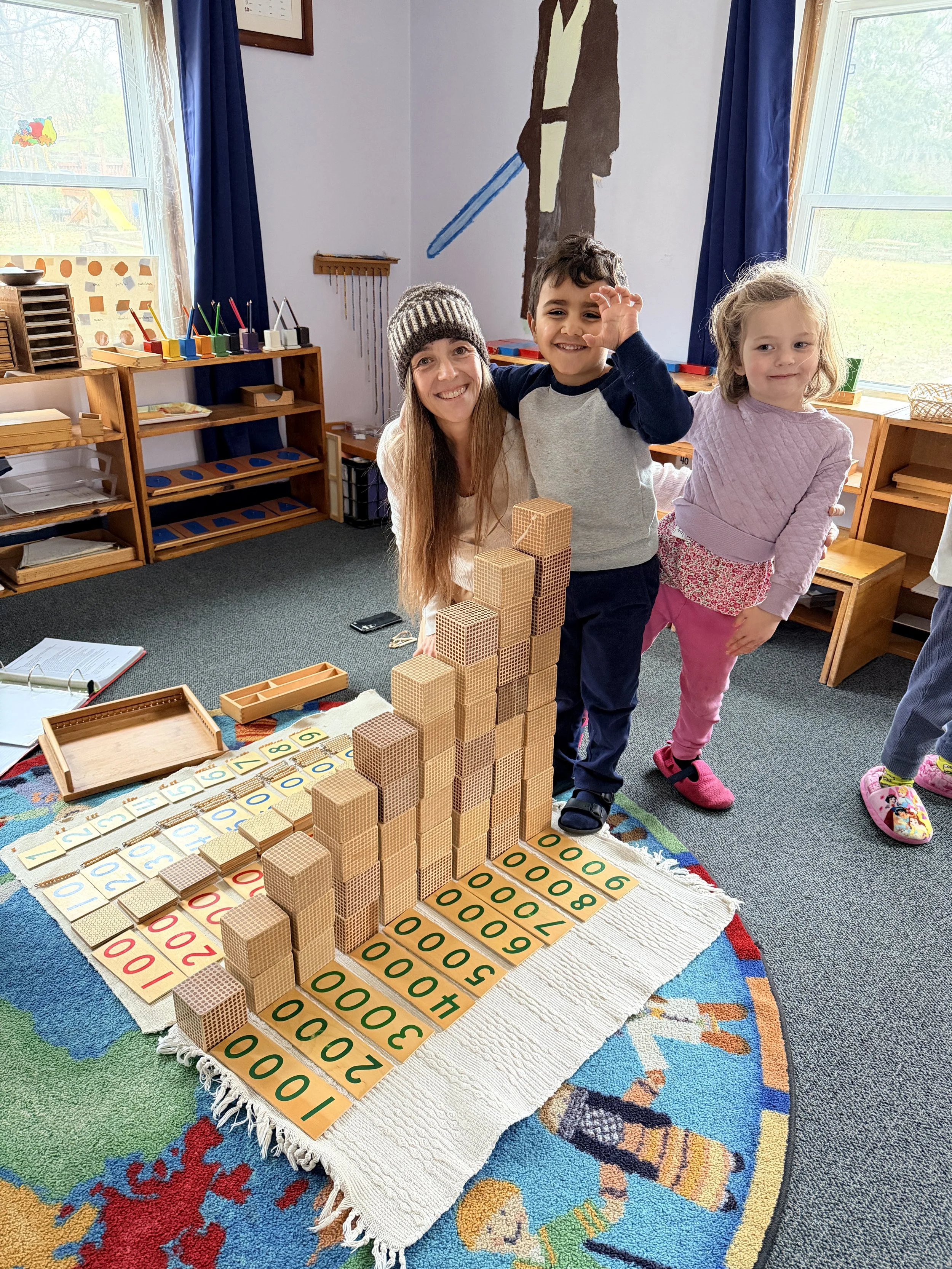
Complete
Children experience the satisfaction of finishing meaningful work.
First, I Can.
Then, I Can Contribute.
Montessori begins by helping children develop independence.
But independence isn't the destination.
As children grow, they discover that they are part of something larger than themselves.
They learn to help.
To collaborate.
To lead.
To care.
To contribute.
From independence comes interdependence.
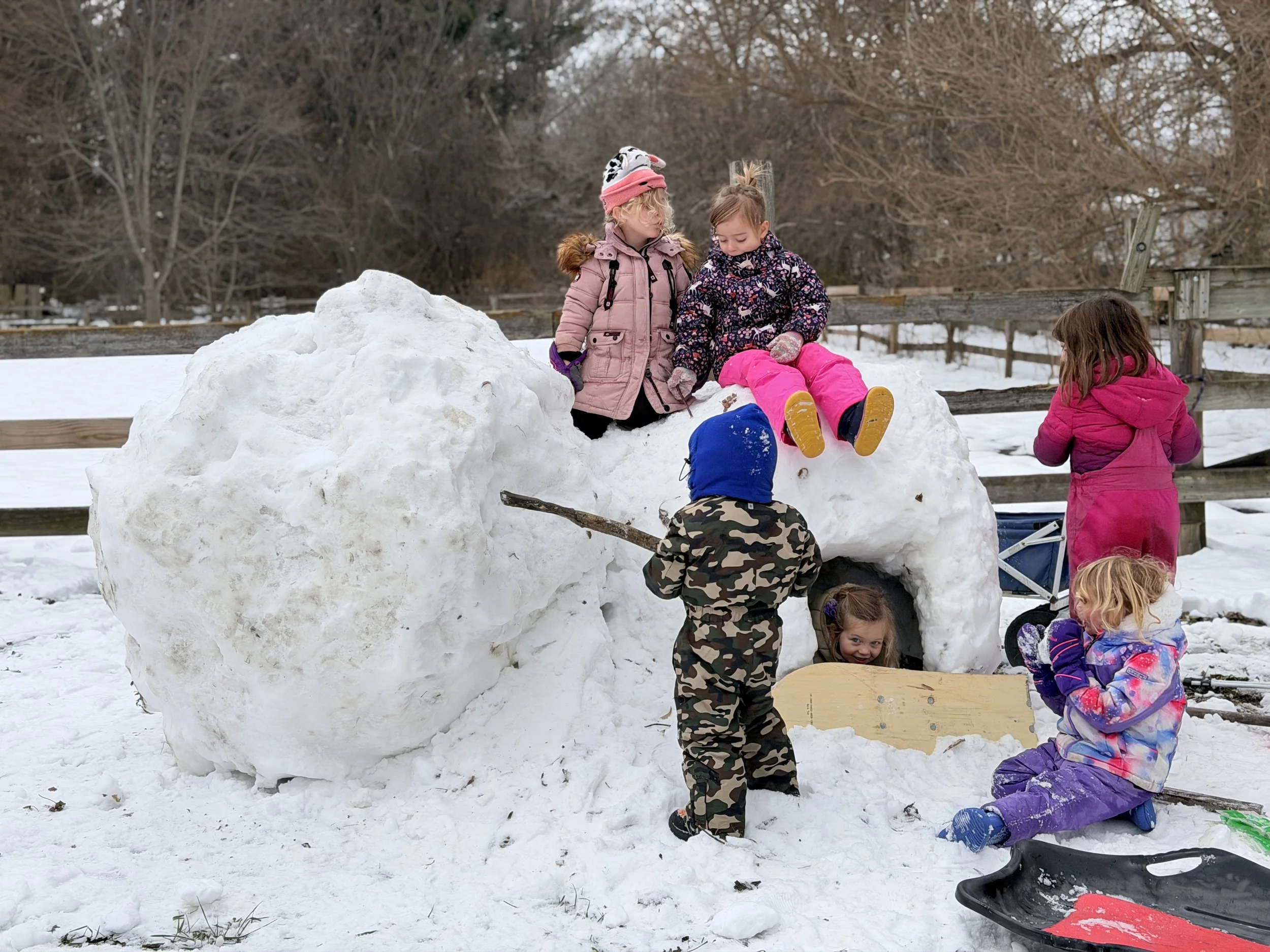
The Classroom Is Only the Beginning.
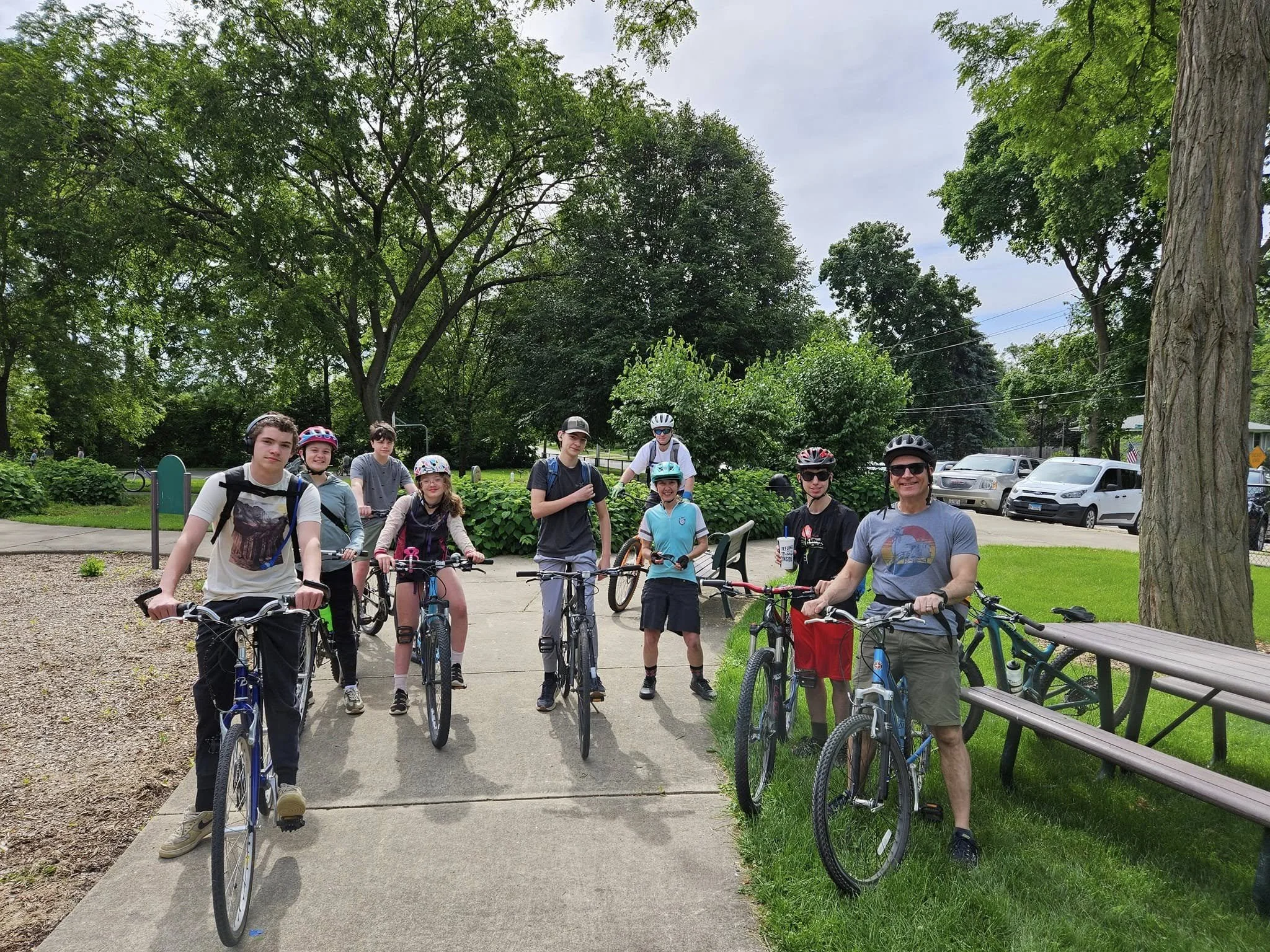
Montessori prepares children to engage with the real world.
Children are encouraged to:
Question.
Explore.
Create.
Solve.
Collaborate.
Contribute.
Learning doesn’t stop at the classroom door. Children apply what they know to real situations—working with others, solving problems, making decisions, and contributing to their community. This is where knowledge becomes experience.
Education for Life.
Montessori isn't simply about preparing children for the next grade.
It is about helping them develop the independence, curiosity, confidence, compassion, responsibility, and adaptability they will carry into the rest of their lives.
Follow the child.
Nurture the whole person.
Prepare for life.
Want to See Montessori in Action?
You've learned the philosophy.
Now see what makes the Carmel Montessori experience distinctive.